


.png)
Sean T

.png)
CGA Coaching Course: 2026
Team / Program Affiliation: Saint Mary's Women's Rugby, Assistant Coach
Finding the Words for What He Already Knew
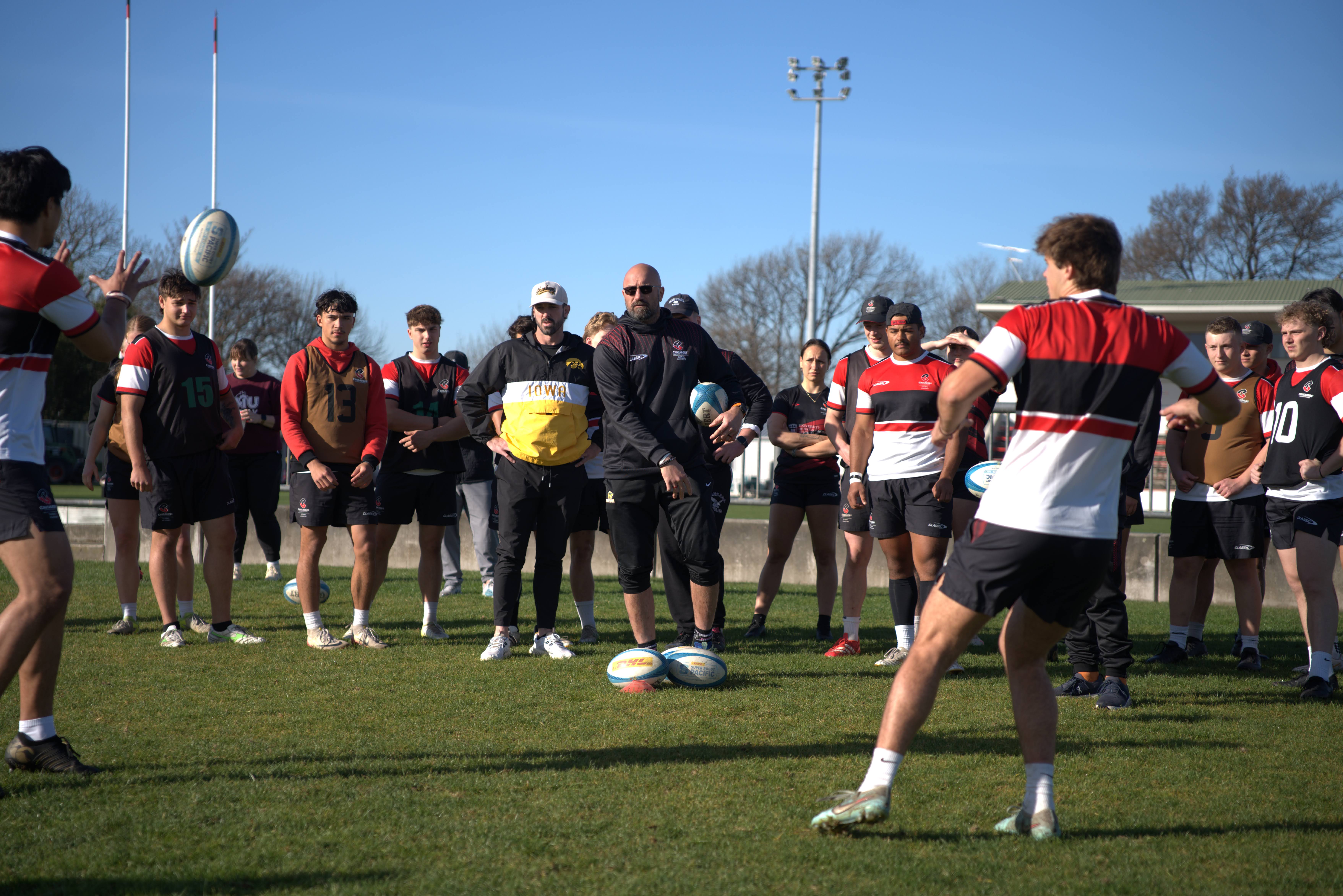
Sean Tindall is an assistant coach with Saint Mary's Women's Rugby in Canada, where he had spent recent seasons quietly experimenting with ways to build stronger connection and trust inside his program. Going into the course, he and his staff had been circling around the right ideas without fully being able to name them. He wanted language and structure for something he already sensed mattered, and he found it in the two weeks he spent training alongside the Crusaders coaching staff.
What struck him first was not a drill or a tactical wrinkle but the transparency he encountered everywhere he looked. It felt less like a talking point handed down from the organization and more like the honest byproduct of a culture the Crusaders had spent years deliberately building. That impression only deepened as the course went on, with nearly every session and conversation looping back to the same underlying idea: that performance follows from an environment where people feel safe, connected, and seen.
Building the Vase: What He Carried Home From Christchurch
Consistency as the real curriculum
Sean did not point to a single drill or breakthrough moment as the turning point. Instead, it was the accumulation of dozens of smaller moments, each one reinforcing the last, that shifted how he thinks about coaching. From his first Monday morning session onward, every conversation about trust, connection, and culture kept circling back to the same core message, and that repetition became the lesson itself. The most unexpected thing he took from the course was how little of it centered on recruiting or identifying star talent. He heard story after story from the Crusaders environment where the biggest impact came not from the standout player but from someone else entirely, a person whose contribution to the culture ended up shaping everyone around them. For Sean, that reframed the entire question of what actually builds a winning program.
A roadmap for what he'd already started
Comparing the Crusaders' philosophy to his own approach going in, Sean found less of a contrast and more of a confirmation. He and his staff had already been stumbling toward the idea that safety and belonging come before performance, they just hadn't had the vocabulary to describe it clearly. The course gave himthat vocabulary and, with it, a clearer picture of what the environment he was trying to build should actually look like. The first thing he is focused on bringing back is finding ways to help his players and staff locate their own sense of purpose inside the team's larger goals, and to tell the kinds of stories that help people see where they belong. He described the whole experience using the image of a vase: the big rocks were ideas he already had, some validated and some replaced, while the two weeks of sessions, demonstrations, and club visits functioned as the sand and water filling every gap in between.
Loving the process, doing the basics longer
The idea Sean is most energized to put into practice traces back to a phrase he heard while in Christchurch, that the best teams do the basics longer. He sees two things required to live that out: building enough genuine connection with the people around him that they are willing to invest that time together, and learning to love the process of getting better, both for himself and for his players. He is framing this less as a competitive or individual pursuit and more as a shared one, where one person helping another is simply part of everyone trying to improve together. Sean believes this mindset will not necessarily let him reach more people, since he already coaches across multiple teams, but it will let him have a deeper impact on the people he already coaches. Asked to describe the course in a single sentence, he called it life changing, adding that if a coach lets it, it will change theirs too.
Check Out More

Meagan W
.png)
Meagan W

Matthew B
.png)
Matthew B

Richard A
.png)
Richard A

Moos K
Moos K

Elijah L
Elijah L

Zach M.
Zach M.

Tom M.
.jpg)
Tom M.
.png)
Seren C.
.jpg)
Seren C.
Ruben B.
.jpg)
Ruben B.

Declan D.
.jpg)
Declan D.

Jack S.
Jack S.


Thomas More University
Thomas More University

Miami University
Miami University


Stanford University
Stanford University
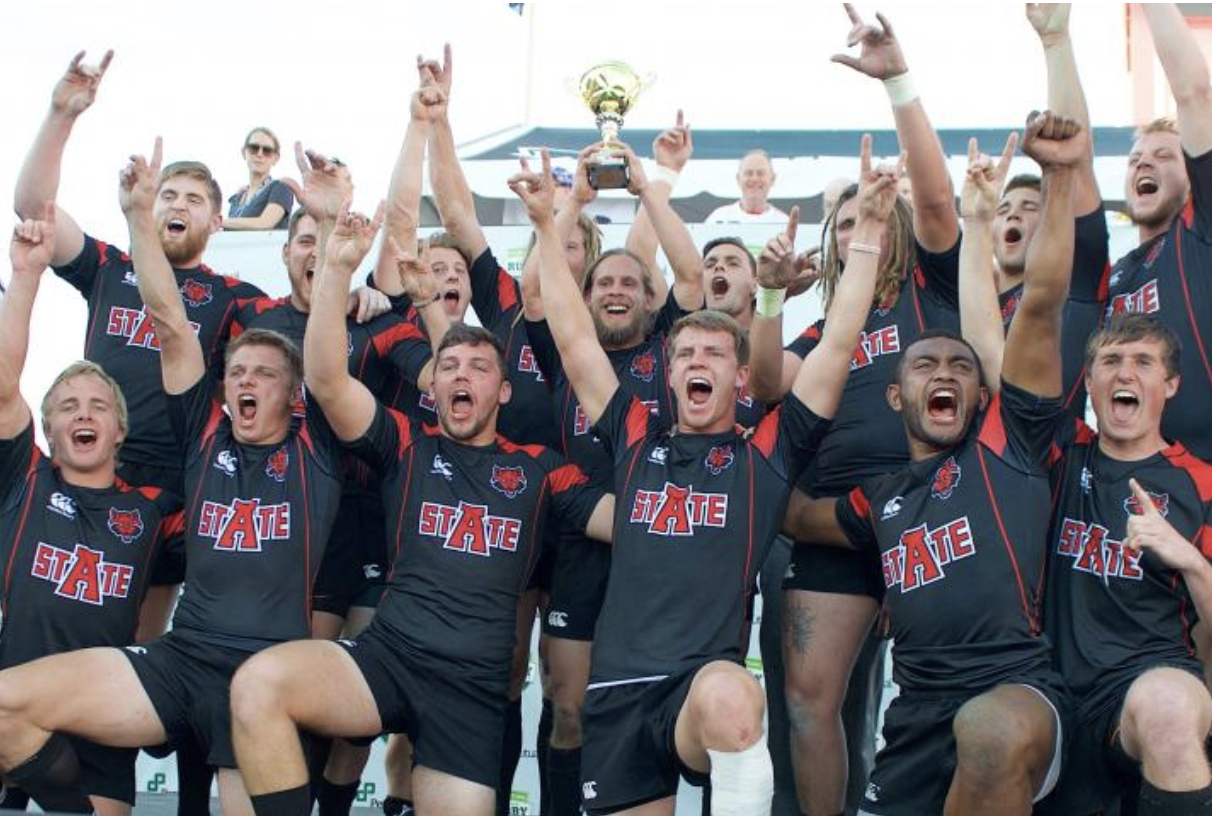

Arkansas State University
Arkansas State University

Luke J.
Luke J.
Jordan T.
Jordan T.

Oli J.
Oli J.
Henry W.
Henry W.

Tinaye N.
Tinaye N.
Eamonn L.
Eamonn L.

Chad H.
Chad H.
Mahie W.
Mahie W.

Sydney D.
Sydney D.

Huntley M.
Huntley M.

Tyler D.
Tyler D.
.png)
Virginia Commonwealth University
Virginia Commonwealth University
Chiang Mai Rugby Club
Chiang Mai Rugby Club


Seattle Rugby Club
Seattle Rugby Club
.png)
Waverley College
Waverley College
%201.png)
Naval Academy