



Matthew B

.png)
CGA Coaching Course: 2026
Team / Program Affiliation: Lethbridge W Rugby, Assistant Coach
Rediscovering the Basics at the Highest Level
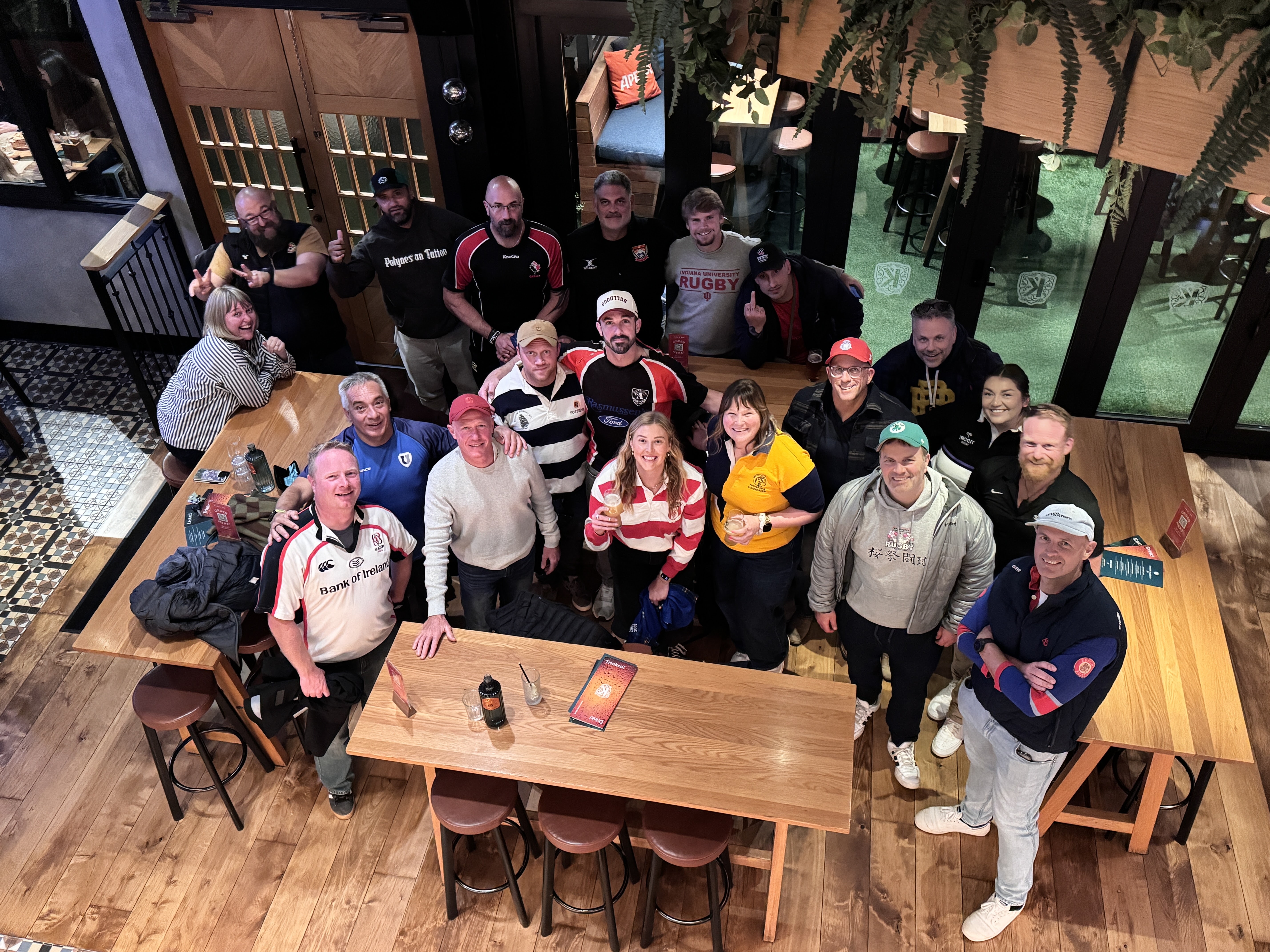
Matthew has spent most of his life immersed in rugby and currently serves as an assistant coach with Lethbridge W Rugby. Heading into the Crusaders coaching course, he wasn't entirely sure what to expect from stepping into a professional, high performance environment for the first time. While he had always known rugby as a welcoming community at the grassroots level, he was uncertain whether that same openness would carry over once he was working alongside a top tier club.
What he found instead reshaped his expectations from the very first days of the course. The Crusaders staff and speakers treated him with the same warmth he associated with the sport at home, striking up conversations over coffee and checking in on how the course was going. That same openness extended into the technical sessions, where watching the Crusaders plan and run practice made clear that even elite programs build their identity on the fundamentals. Rather than complex, high difficulty drills, Matthew saw a group executing the basics, like passing and catching, at a relentlessly high standard, a lesson that reframed how he thinks about what "high performance" actually looks like in practice.
What He Gained
From Reassurance to a New Way of Coaching
Learning to Talk Less and Let Players Lead
Much of what Matthew encountered during the course validated a philosophy he already carried into it, particularly around building connection with players. But one shift stood out clearly: watching how little the Crusaders coaches actually spoke during skills sessions and practices. He noticed a coaching style that was far more player led than his own tendency, which he recognized involved talking more than necessary. Seeing how that restraint fostered a stronger culture and gave players more ownership over their own development pushed him to rethink how much space he gives his own athletes to lead. He also credited conversations with the coaching staff and a mental skills coach for offering smaller, practical additions he could bring into his own work with players.
Applying a Sharper Film Review Process at Lethbridge
One of the most immediately actionable pieces Matthew brought back was a new approach to film review. He had previously shown his team entire matches, a process he found slow and often unproductive. Working through a session analyzing a match between the Hurricanes and the Crusaders showed him a different model, built around short, targeted clips organized by theme rather than full game tape. He described the exercise using the framework the analysts called "good, bad, and ugly," and pointed to it as exactly what his program needs to hold his players' attention and make sessions more effective. He noted he had already begun implementing this approach with his team.
A Renewed Sense of Purpose Heading Into the Season
Beyond the technical takeaways, Matthew described the experience as deeply reinvigorating for his coaching mindset. Time spent in an environment built around humility and connection left him feeling recharged heading into his upcoming season, and he pointed to the drills, ideas, and conversations from both the visiting coaches and the Crusaders staff as fuel for continued growth. Among the specific techniques he is excited to bring in is an offloading drill he observed while watching the Academy group train, which involves players receiving a second ball mid-carry and offloading to either side. He described the course overall as something every coach should experience for themselves.
Check Out More

.png)
Sean T
.png)
Sean T
Meagan W
.png)
Meagan W

Richard A
.png)
Richard A

Moos K
Moos K

Elijah L
Elijah L

Zach M.
Zach M.

Tom M.
.jpg)
Tom M.
.png)
Seren C.
.jpg)
Seren C.
Ruben B.
.jpg)
Ruben B.

Declan D.
.jpg)
Declan D.

Jack S.
Jack S.


Thomas More University
Thomas More University

Miami University
Miami University


Stanford University
Stanford University
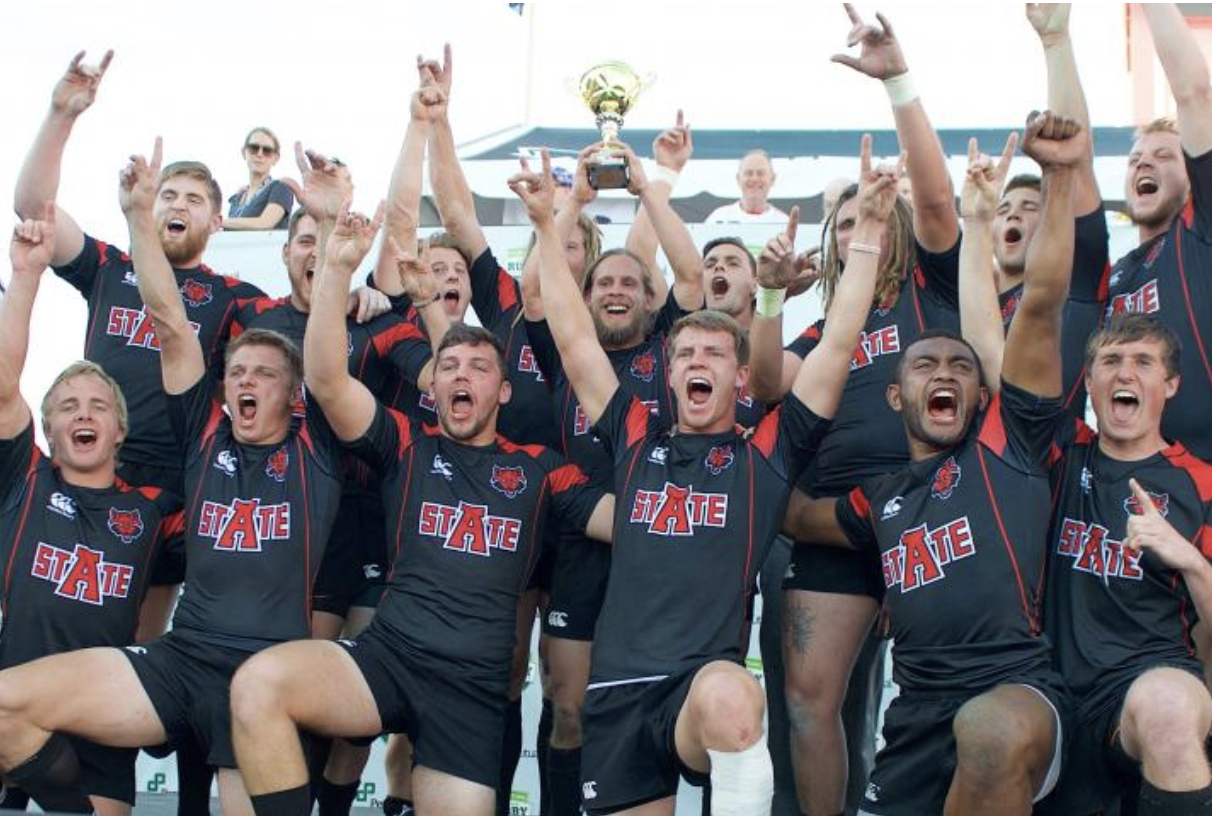

Arkansas State University
Arkansas State University

Luke J.
Luke J.
Jordan T.
Jordan T.

Oli J.
Oli J.

Henry W.
Henry W.

Tinaye N.
Tinaye N.
Eamonn L.
Eamonn L.

Chad H.
Chad H.
Mahie W.
Mahie W.

Sydney D.
Sydney D.

Huntley M.
Huntley M.

Tyler D.
Tyler D.
.png)
Virginia Commonwealth University
Virginia Commonwealth University
Chiang Mai Rugby Club
Chiang Mai Rugby Club


Seattle Rugby Club
Seattle Rugby Club
.png)
Waverley College
Waverley College
%201.png)
Naval Academy