



Meagan W

.png)
CGA Coaching Course: 2026
Team / Program Affiliation: McMaster W Rugby Assistant Coach
From Imposter Syndrome to Validation
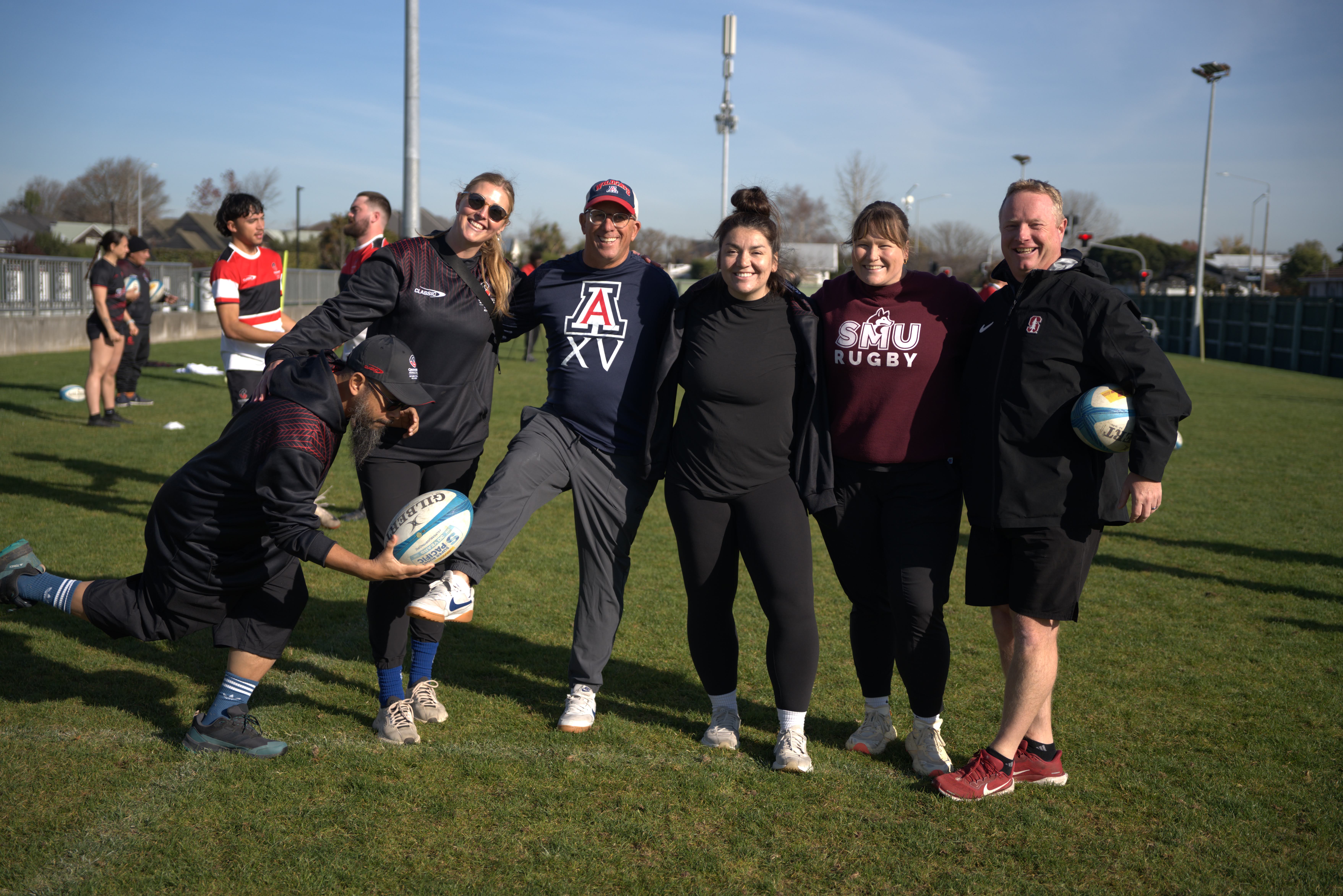
Meagan is an assistant coach with McMaster Rugby, a counselor and social work student at home in Canada, and a rugby player herself who lines up in the front row. Coaching across multiple levels, including a women's program and an under 18s side, she came into the Crusaders coaching course watching Super Rugby from a distance and unsure whether she truly belonged in a room full of coaches operating at the professional level. What she hoped to walk away with was less about learning something entirely new and more about understanding how her own approach measured up against the standard she admired from afar.
That question was answered quickly. Across two weeks, Meagan and her fellow attendees heard from 37 different presenters spanning the Crusaders organization, Matatu, and Canterbury, each bringing a different piece of the game with them. Rather than feeling out of place, she found herself recognizing the same principles and the same content she already worked with at home, just delivered through a different lens and a different level of polish. That recognition became one of the most meaningful parts of the experience for her, turning what started as imposter syndrome into a growing sense that she had been doing the right things all along.
Turning Validation Into Practical Growth
Learning the Scrum from the Source
One of the most specific and personally resonant moments of the course came through Simon Nebone, the set piece coach for the Black Ferns, who walked attendees through a highly detailed technical approach to scrum and set piece play. As a former front row player who also coaches set piece at the university level, Meagan found the session especially valuable, both for the technical content and for the chance to talk directly with someone coaching that phase of the game at the highest level. Alongside that, the mental skills presentations led by Quinny and Jesse Hansen stood out just as strongly. Given her background as a counselor, the material on athlete connection and emotional support struck a chord, reinforcing ideas she already valued and giving her new language and structure to bring back to her own team.
A Culture of Connection, On and Off the Pitch
Meagan didn't arrive with a deep knowledge of Crusaders culture specifically, though she followed Super Rugby closely enough to have a sense of it. What stood out once she was immersed in the environment was how intentionally the organization builds team and culture off the pitch, prioritizing the development of good people alongside good players, and trusting that connection off the field translates directly to performance on it. That philosophy lined up closely with values she already held, and seeing it lived out in daily practice left her determined to put more deliberate action behind it once she returned home. The first thing she plans to bring back is a renewed emphasis on competition within her own coaching staff and squad, using the kind of friendly, high-energy competitive structure she saw at every level during the course to build engagement without losing sight of connection. She also found unexpected relevance in hearing the Crusaders' own history, including their winless 1997 debut season, as she leads her club through its first-ever competitive season as a newly established member club. The reminder that every program has to start somewhere, and that adversity early on doesn't define what comes later, landed as exactly the message her team needs right now.
Redefining Success, Together
If there was one mindset shift Meagan is most eager to implement, it's a broader definition of success, one that isn't measured solely by wins and championships but by the many other markers of growth a team experiences along the way. In a sport as intense and competitive as rugby, she sees real value in helping her athletes hold onto that perspective, and it's something she plans to build into her coaching over the coming seasons. Beyond the technical and philosophical takeaways, she also left with something less tangible but just as valuable: a global network of fellow coaches who went through the course alongside her. Coaching in a smaller region where information and methods are often closely guarded, she found genuine relief in building a peer group she can lean on, ask questions of, and learn from going forward, and she expects that support system to shape her development as a coach just as much as anything she learned in the sessions themselves.
Check Out More

.png)
Sean T
.png)
Sean T

Matthew B
.png)
Matthew B

Richard A
.png)
Richard A

Moos K

Moos K

Elijah L

Elijah L

Zach M.

Zach M.

Tom M.
.jpg)
Tom M.
.png)
Seren C.
.jpg)
Seren C.

Ruben B.
.jpg)
Ruben B.

Declan D.
.jpg)
Declan D.

Jack S.

Jack S.


Thomas More University
Thomas More University

Miami University
Miami University


Stanford University
Stanford University

Arkansas State University
Arkansas State University

Luke J.

Luke J.
Jordan T.
Jordan T.

Oli J.

Oli J.

Henry W.
Henry W.

Tinaye N.
Tinaye N.

Eamonn L.
Eamonn L.

Chad H.
Chad H.

Mahie W.
Mahie W.

Sydney D.

Sydney D.

Huntley M.
Huntley M.

Tyler D.

Tyler D.
.png)
Virginia Commonwealth University
Virginia Commonwealth University

Chiang Mai Rugby Club
Chiang Mai Rugby Club


Seattle Rugby Club
Seattle Rugby Club
.png)
Waverley College
Waverley College
%201.png)
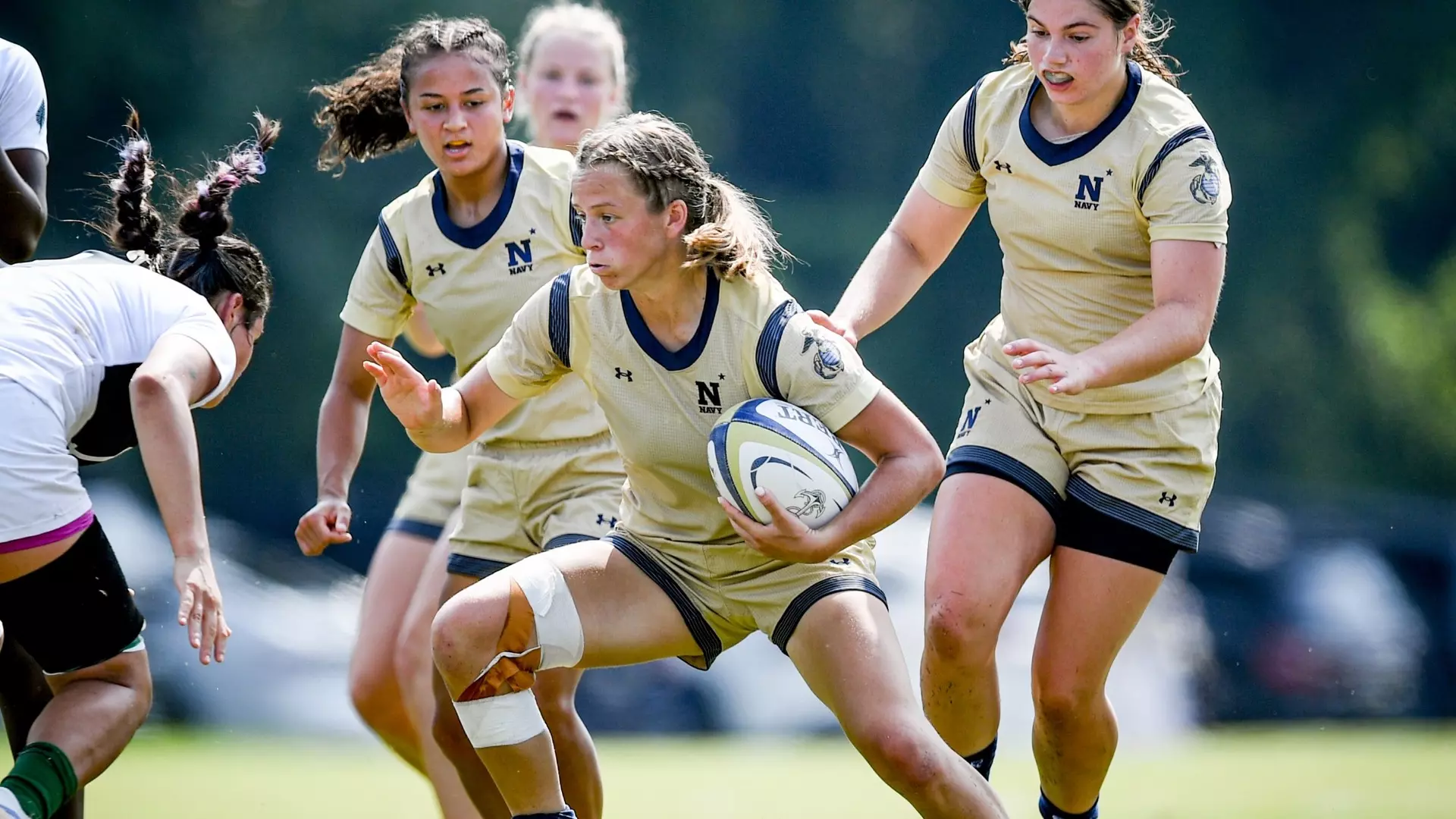
Naval Academy