


Richard A

.png)
CGA Coach Residency: 2026
Program Affiliation: Stanford University
Twenty-Five Years In, Still Learning Something New
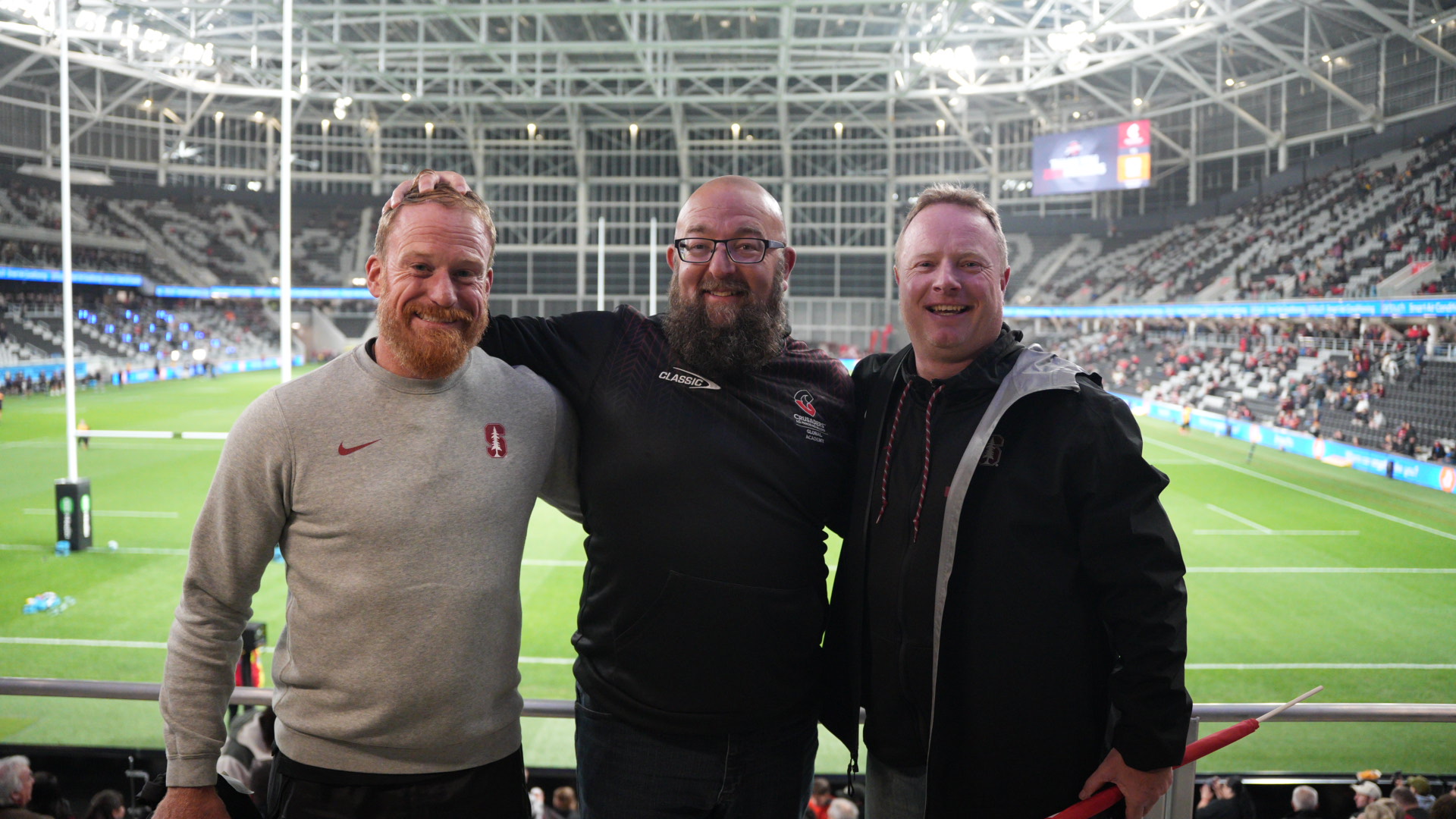
Richard has been coaching for more than a quarter century, most recently within a university rugby program where many incoming players have never picked up a rugby ball before. Heading into his time with Crusaders Global, he wasn't looking to overhaul his approach so much as sharpen it, and to find fresh energy after two and a half decades on the field.
What he found once he was immersed with the Crusaders coaching staff was an environment built on obsessive attention to detail and a culture that extended well past the players themselves. Watching how the organization operated, from technical defensive work to the way staff connected with everyone in the building, gave him a clearer picture of what a high-performance environment actually looks like day to day, not just on match day.
Detail, Connection, and a Career Re-Energized
The Detail Behind the Dominance
One of the clearest takeaways for Richard was how much of what looks effortless from a Crusaders team is actually the product of relentless attention to small things done well. Watching the defensive coaching work, including detail led by Matt Todd, showed him the depth of analysis and preparation behind what fans see on gameday. It reaffirmed that a lot of his own program's fundamentals were already on the right track, while also sharpening his eye for the kind of detail that separates good coaching from great coaching.
The most unexpected lesson had nothing to do with X's and O's. Seeing that even All Blacks and Black Ferns within the group have difficult days, and that the Crusaders organization has real support systems in place for those moments, reshaped how Richard thinks about the human side of high performance. Dominance on the field, he learned, is backed by support off it.
Bringing the Connection Piece Home
Comparing the Crusaders' philosophy to his own approach, Richard noted the gap in experience his players start from, many arriving without ever having seen the sport before, let alone played it. What stood out was how much the Crusaders prioritize language, attention to detail, and celebrating small wins, alongside a deep focus on knowing players as individuals. That culture piece is something Richard has worked at for years without always getting it fully right, so seeing it modeled at the highest level validated the effort and gave him new tools to apply.
The first change he's planning to bring back is intentional connection with his incoming players. With twenty to thirty brand new athletes joining his university program each fall, many unfamiliar with rugby or with the program itself, he sees an early, genuine connection as one of the simplest and most effective ways to keep them in the sport. He and an assistant coach who traveled with him have already started discussing how to build that into their very first practices, alongside a handful of decision-making and realignment drills picked up from Academy coach Grant.
A Career Re-Energized
Beyond the tactical takeaways, Richard described the experience as reigniting something in his coaching after 25-plus years in the game. He's returning to review his own coaching philosophy and playing style with fresh eyes, determined to avoid falling back into repeating the same activities out of habit. Small details, like the simplicity of a fist bump and eye contact from staff throughout the organization, from All Blacks to the person greeting him at the front desk, left a lasting impression on how intentional culture-building can be. Sharing the experience with one of his assistant coaches has extended that impact further, giving both of them shared language and shared learning to bring back to their program together.
Check Out More

.png)
Sean T
.png)
Sean T
Meagan W
.png)
Meagan W

Matthew B
.png)
Matthew B

Moos K
Moos K

Elijah L
Elijah L

Zach M.
Zach M.

Tom M.
.jpg)
Tom M.
.png)
Seren C.
.jpg)
Seren C.
Ruben B.
.jpg)
Ruben B.

Declan D.
.jpg)
Declan D.

Jack S.
Jack S.


Thomas More University
Thomas More University

Miami University
Miami University


Stanford University
Stanford University
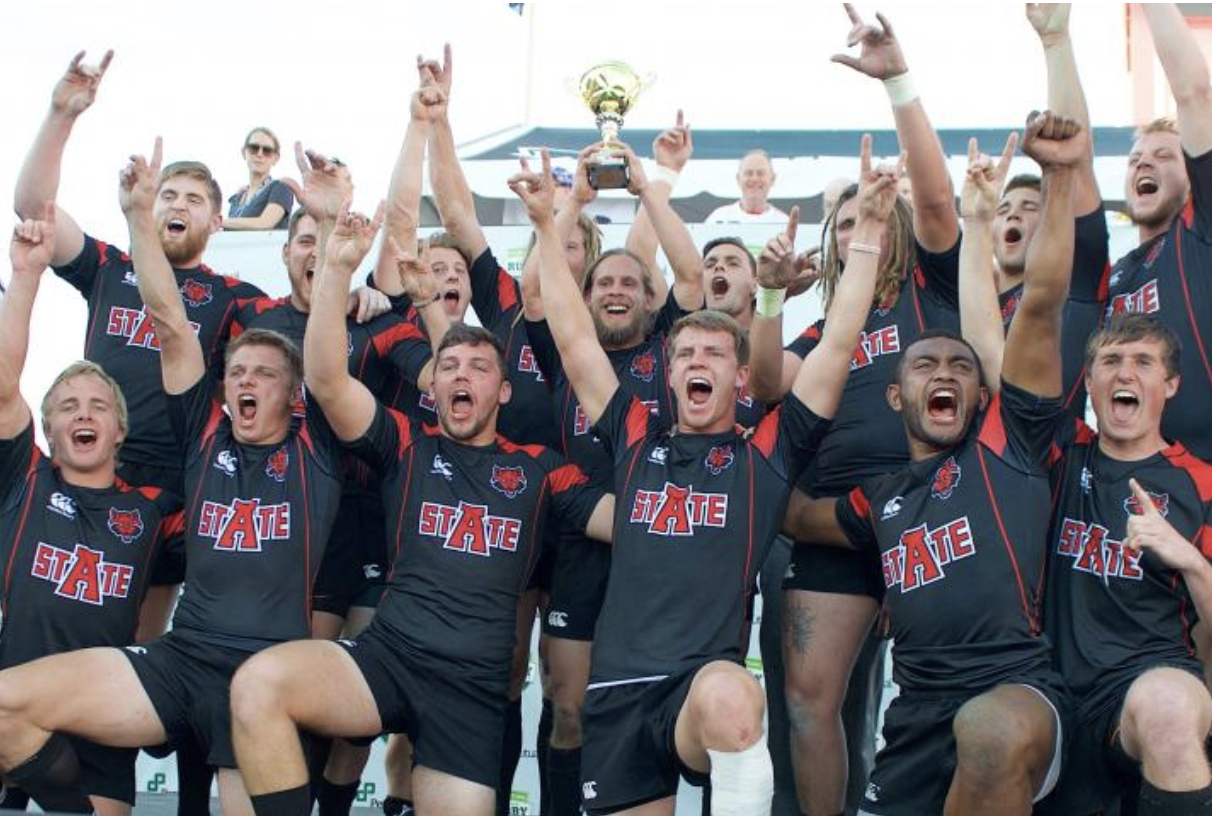

Arkansas State University
Arkansas State University

Luke J.
Luke J.
Jordan T.
Jordan T.

Oli J.
Oli J.

Henry W.
Henry W.

Tinaye N.
Tinaye N.
Eamonn L.
Eamonn L.

Chad H.
Chad H.

Mahie W.
Mahie W.

Sydney D.
Sydney D.

Huntley M.
Huntley M.

Tyler D.
Tyler D.
.png)
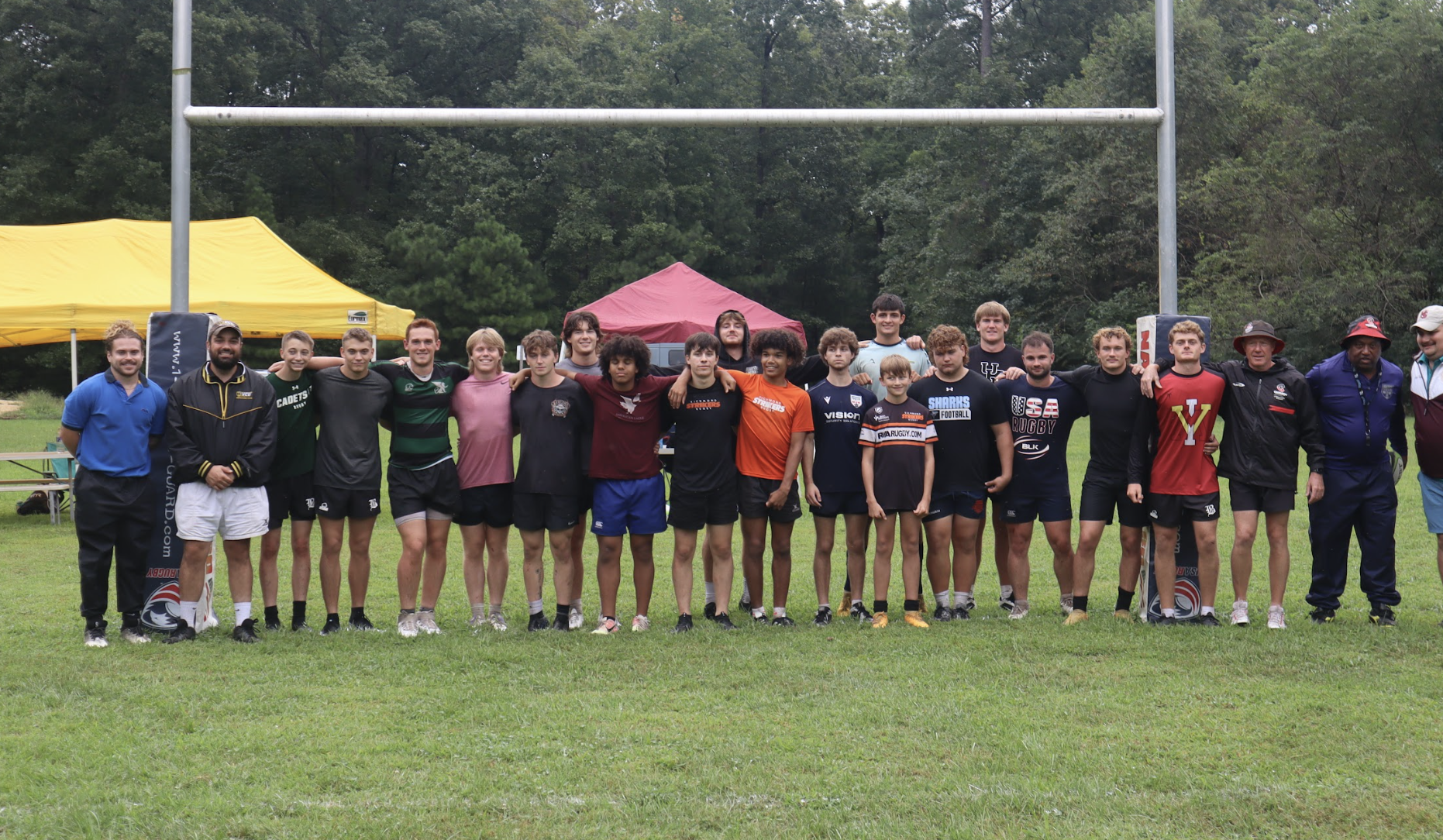
Virginia Commonwealth University
Virginia Commonwealth University
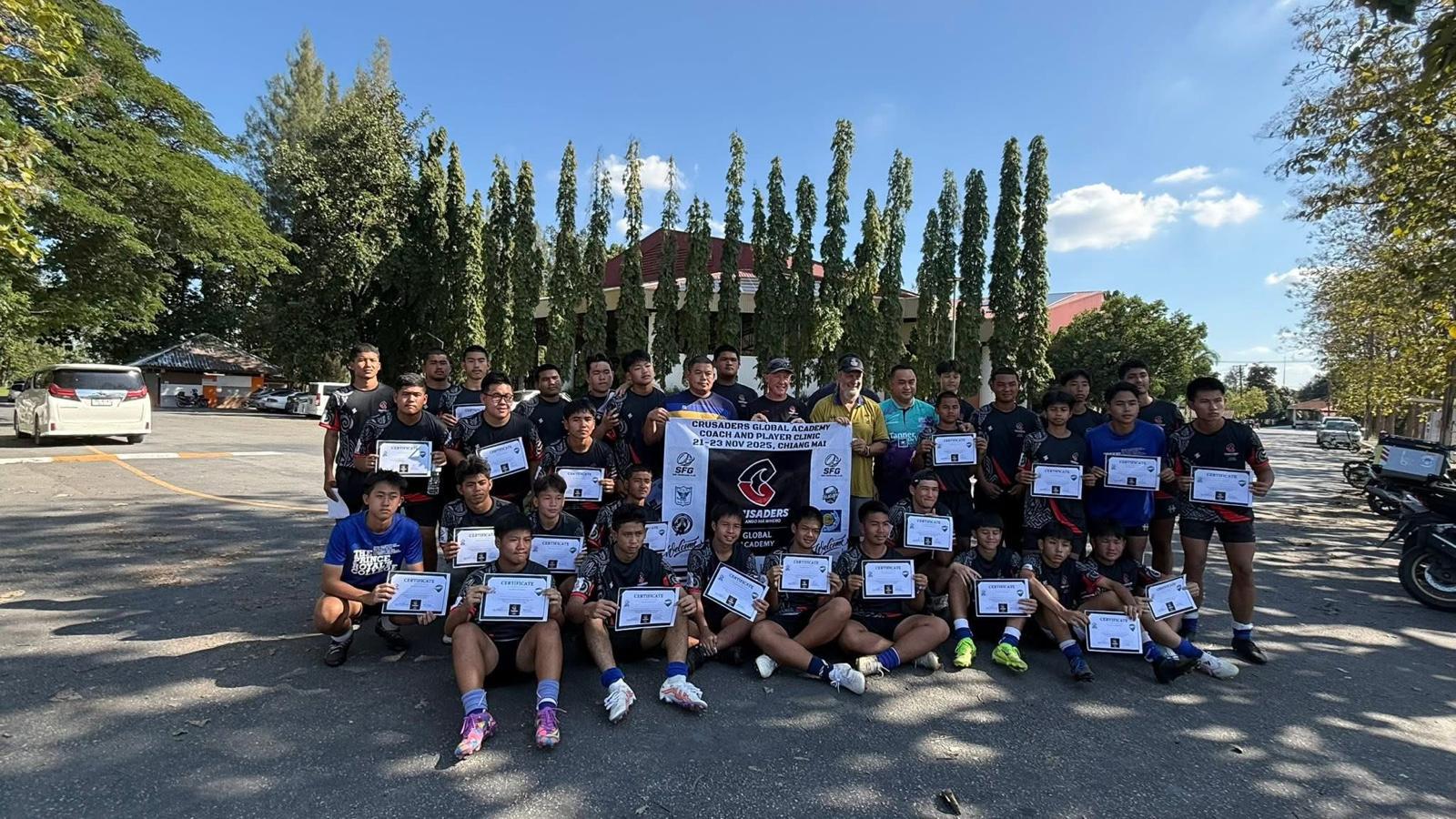
Chiang Mai Rugby Club
Chiang Mai Rugby Club


Seattle Rugby Club
Seattle Rugby Club
.png)
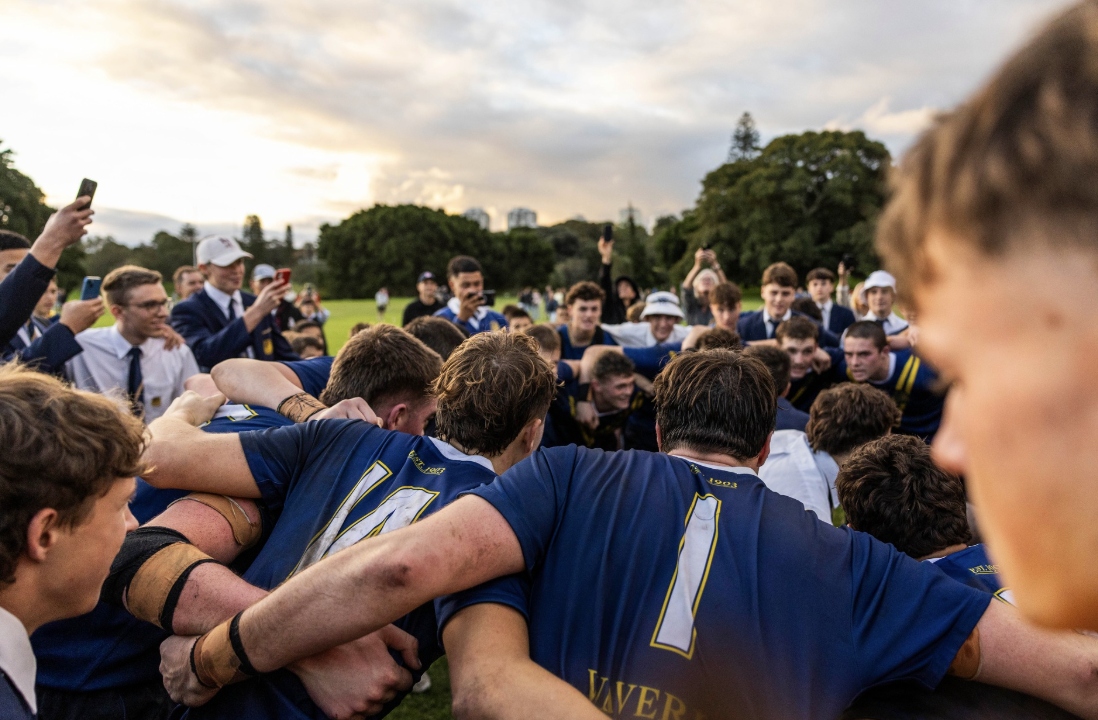
Waverley College
Waverley College
%201.png)
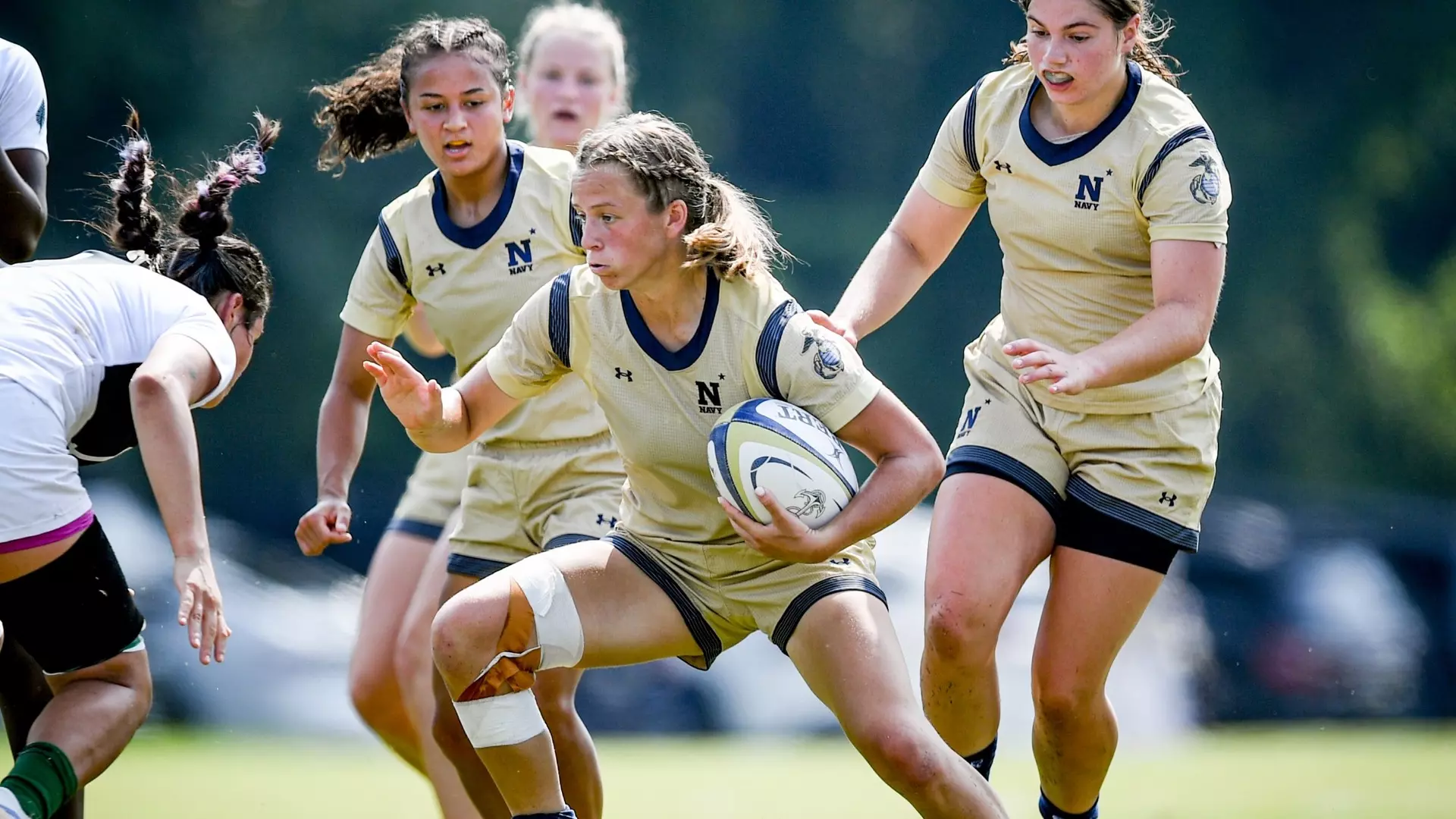
Naval Academy