



American University

Slowing Down to Speed Up
Overview
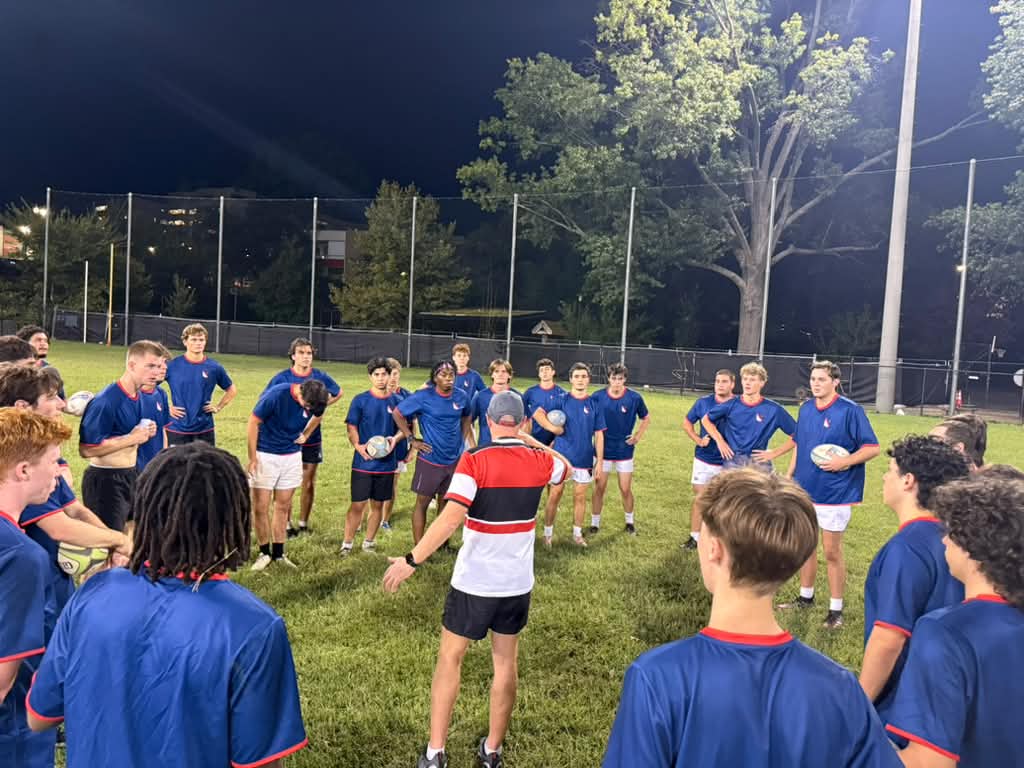
American University Rugby is a collegiate club in Washington, D.C. with a wide range of experience on its roster, from players who started in high school to many who had never handled a rugby ball. The club first worked with the Crusaders in a single session about two years earlier, and Coach Chris Rutyna spent several weeks at the Crusaders Coaching Course in Christchurch in May 2026.
In September, the club hosted Grant Keenan for its first full Growth Program visit, with sessions running from September 8 to 17.
Where the Program Started
American came into the fall in a difficult transition. A large group of players had graduated, and the leadership that remained was young. Alex DePamphilis recalls a season with only one senior, when several players were thrown into leadership roles without much warning.
"We were just looking for someone to help give us a leg up to start rebuilding this program. From my perspective, it exceeded my expectations." (Chris Rutyna, Coach)
On the Ground
Grant's sessions took standards from a top professional environment and made them usable for a club with mixed experience. He emphasized the basics: communication, finding space and tackle technique, reinforced through repetition, games and pressure, and then built toward attacking and team defensive structure.
Players noticed how each drill was framed. Before a drill began, Grant explained what he wanted the group to get out of it. After 30 seconds to a minute, he stopped play and asked the players to name the standards and judge whether they were meeting them.
"After those times when he'd bring us together and we'd do it again, it improved like a hundred percent right after that." (Brandin Byrne, player)
Alex points to a tackling drill the team ran every practice. Grant made small adjustments each time, and the difference between the first and third session was clear. Five weeks into the season, the team is still running it to the same standard without him.
The Surprise of the Basics
Some players expected high-level drills from a coach who came from the Crusaders. They got the same drills the professionals use, run at a slower pace.
"We weren't doing it at the level the pros were doing, but we were doing the same drills as the pros, just at a slower pace. We have new players who improved more in those first two weeks than I improved in my first year playing rugby." (Brandin Byrne)
For Chris, that lesson landed hardest when Grant took him to watch an All Blacks training session, where the players were walking through the same drills at the same pace.
"That was the light bulb moment for me. Some of the best in the world do it just like this. It really caused us to slow down, and I'm seeing us speed up because we slowed down and focused on the basics." (Chris Rutyna)
He also took a lesson about his own coaching. Grant encouraged the staff to set their coaching ego aside and help players master the fundamentals before reaching for more advanced work.
Players Taking Ownership
The clearest sign of change, in Chris's view, is that players began holding themselves to the standard. During the visit, they asked for an extra practice on a Wednesday, a day the team does not usually train.
After the final session, Grant pulled Alex and Brandin aside and told them the standards would only last if they enforced them. Both have since led drills, borrowing Grant's approach of explaining the purpose and then asking teammates what worked and what didn't.
"It's really important to bring those guys up with you rather than letting them figure it out on their own, making sure everyone's moving up together and no one's left behind." (Alex DePamphilis, player)
Brandin adds that the standards now give new players a clear picture of what the team expects from day one, something he feels the club missed in past seasons.
What Changed for the Coaches
The staff has moved toward player-led coaching, on the thinking that coaches won't be on the field on Saturday. They have also adopted the feedback loop Grant used with players, holding their own review after practice to ask what they did well and what they can improve.
Chris continues to check in with Grant after practices and weekends, which he describes as an ongoing mentorship.
Beyond the Field
When players shared the sessions on the team's Instagram stories, Chris received a wave of messages from alumni asking whether the club really had a Crusaders coach in town. He believes the club's culture is stronger now than at any point he can remember.
"Everybody's engaged, from the most junior player to the most senior player." (Chris Rutyna)
The Crusaders Way, in American's Words
Chris describes the Crusaders Way as culture above all else, built on deliberate connection. Grant opened practices by asking players to share something they had learned that day, on or off the field, so teammates got to know each other.
"Once you've got some connection with a teammate, you start to have responsibility, because you know them and understand them a bit better. That allows everyone to raise their level, because they start working for the collective as opposed to just for themselves." (Chris Rutyna)
Alex sees the same thing in how the team now approaches training, with more emphasis on enjoying the process and connecting with teammates than grinding through it.
Looking Ahead
American is building on the visit through its player leaders and Chris's ongoing work with Grant. For Brandin, the partnership has also opened up a path he had not imagined.
"Before this, I never thought I'd go to New Zealand to play rugby. This is something that's going to take me to a place in rugby I never thought I'd go." (Brandin Byrne)
Asked what he would tell another program, Chris kept it short: sign on, come in with an open mind and jump in. His players' advice to anyone about to train with the Crusaders was the same. Trust the process, even when it feels slow at first.
Check Out More


Raleigh Rugby Clubs
Raleigh Rugby Clubs

Sean T
Sean T
Meagan W

Meagan W

Matthew B
Matthew B

Richard A
Richard A

Moos K
Moos K

Elijah L
Elijah L

Zach M.
Zach M.

Tom M.
Tom M.

Seren C.
Seren C.
Ruben B.
Ruben B.

Declan D.
Declan D.

Jack S.
Jack S.


Thomas More University
Thomas More University

Miami University
Miami University


Stanford University
Stanford University
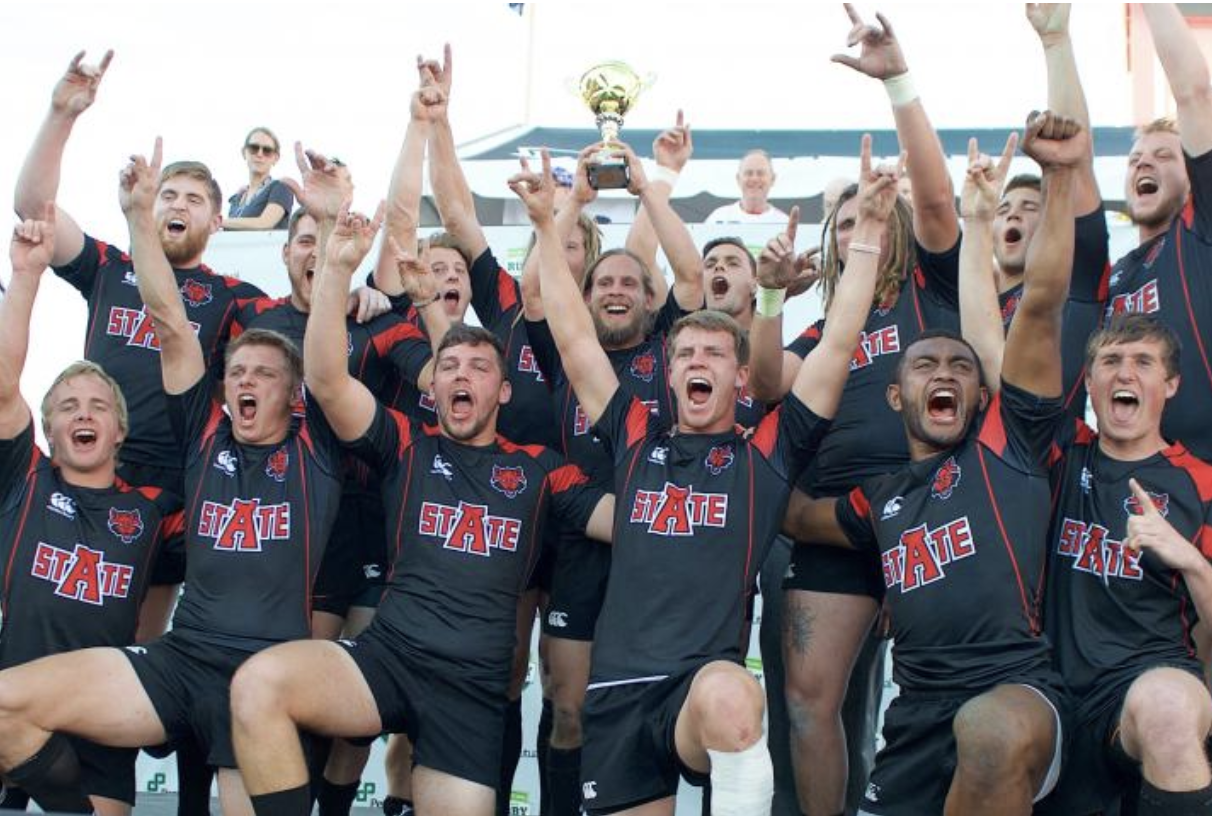

Arkansas State University
Arkansas State University

Luke J.
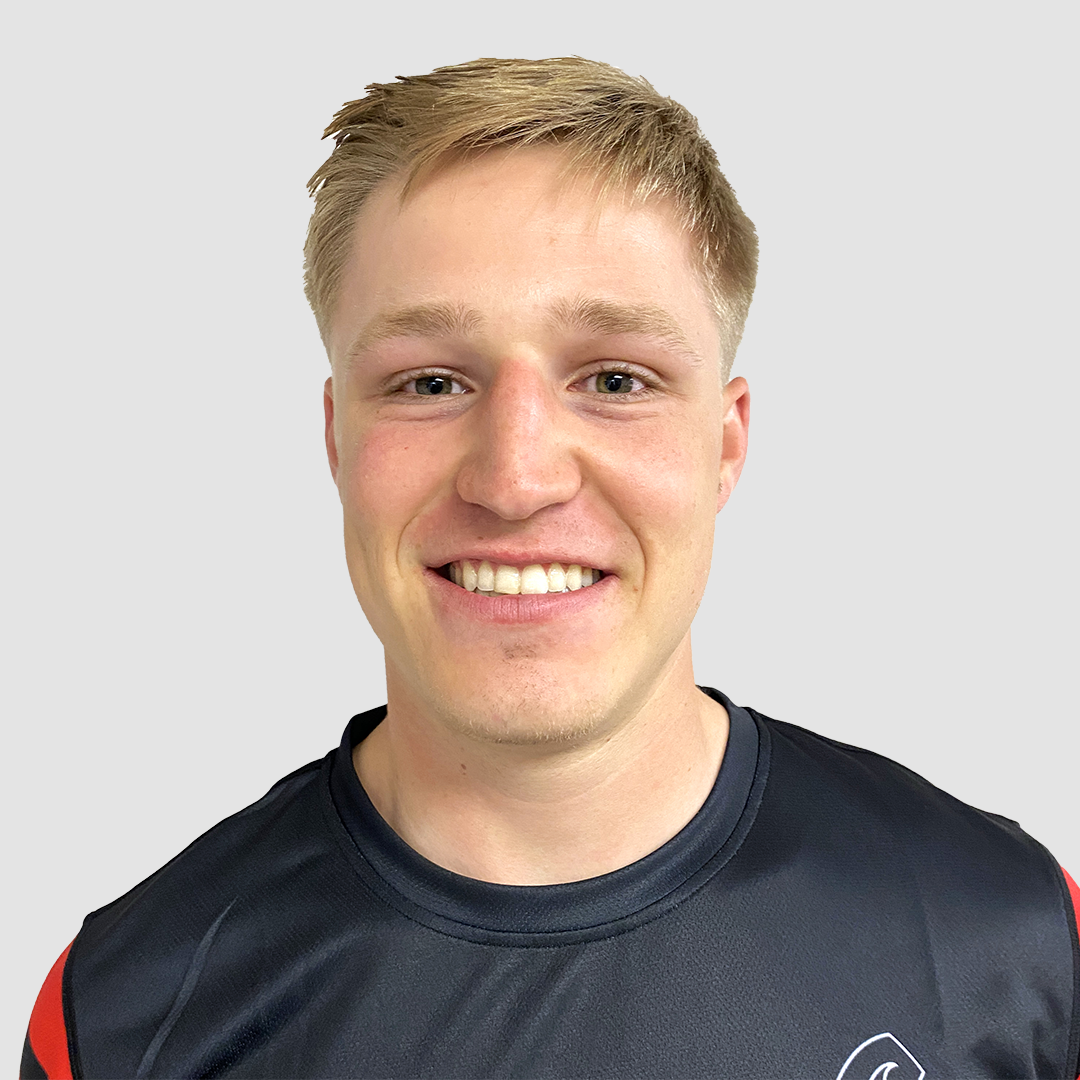
Luke J.
Jordan T.
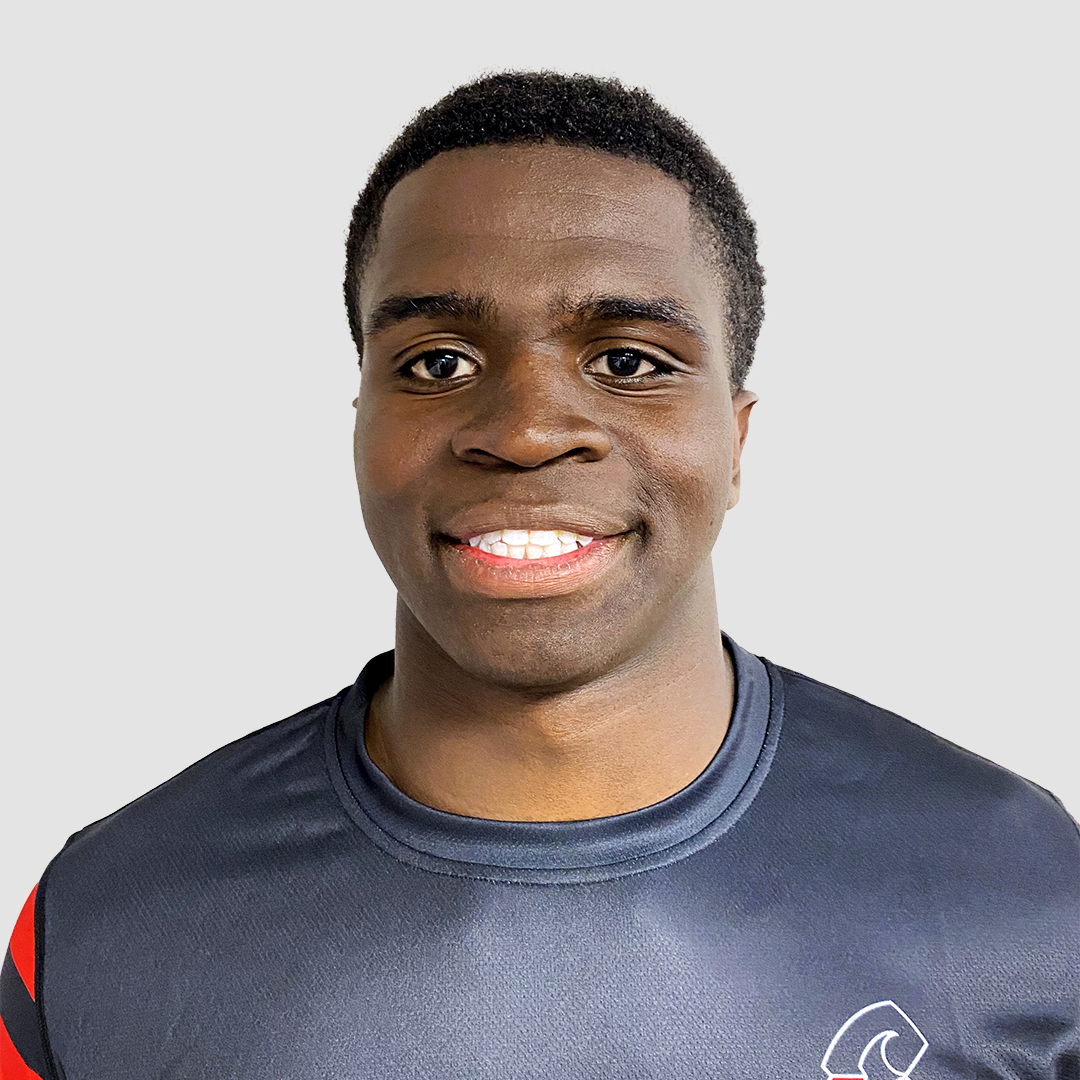
Jordan T.

Oli J.
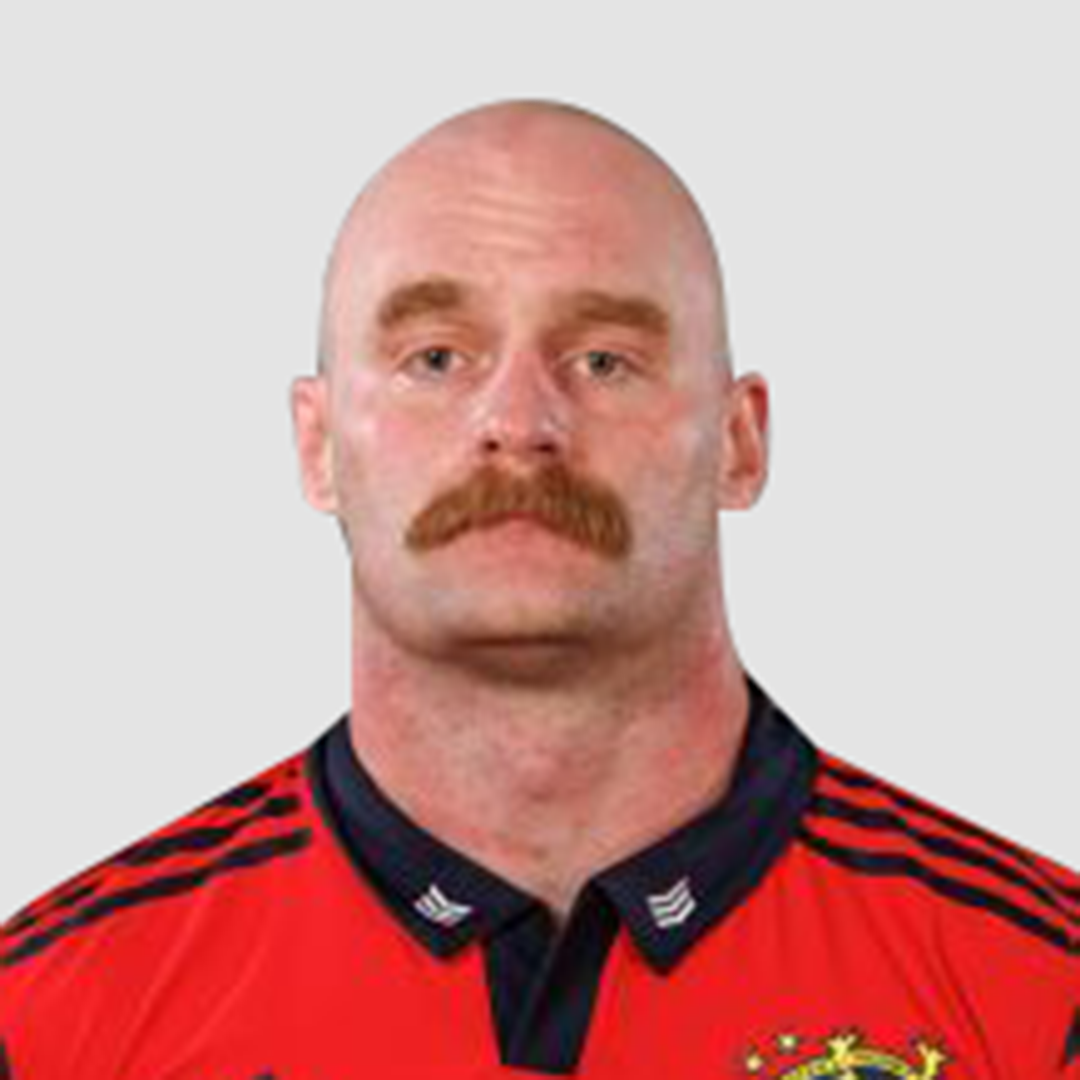
Oli J.

Henry W.
Henry W.

Tinaye N.
Tinaye N.
Eamonn L.
Eamonn L.

Chad H.
Chad H.
Mahie W.
Mahie W.

Sydney D.
Sydney D.

Huntley M.
Huntley M.

Tyler D.
Tyler D.

Virginia Commonwealth University
Virginia Commonwealth University

Chiang Mai Rugby Club
Chiang Mai Rugby Club


Seattle Rugby Club
Seattle Rugby Club

Waverley College
Waverley College
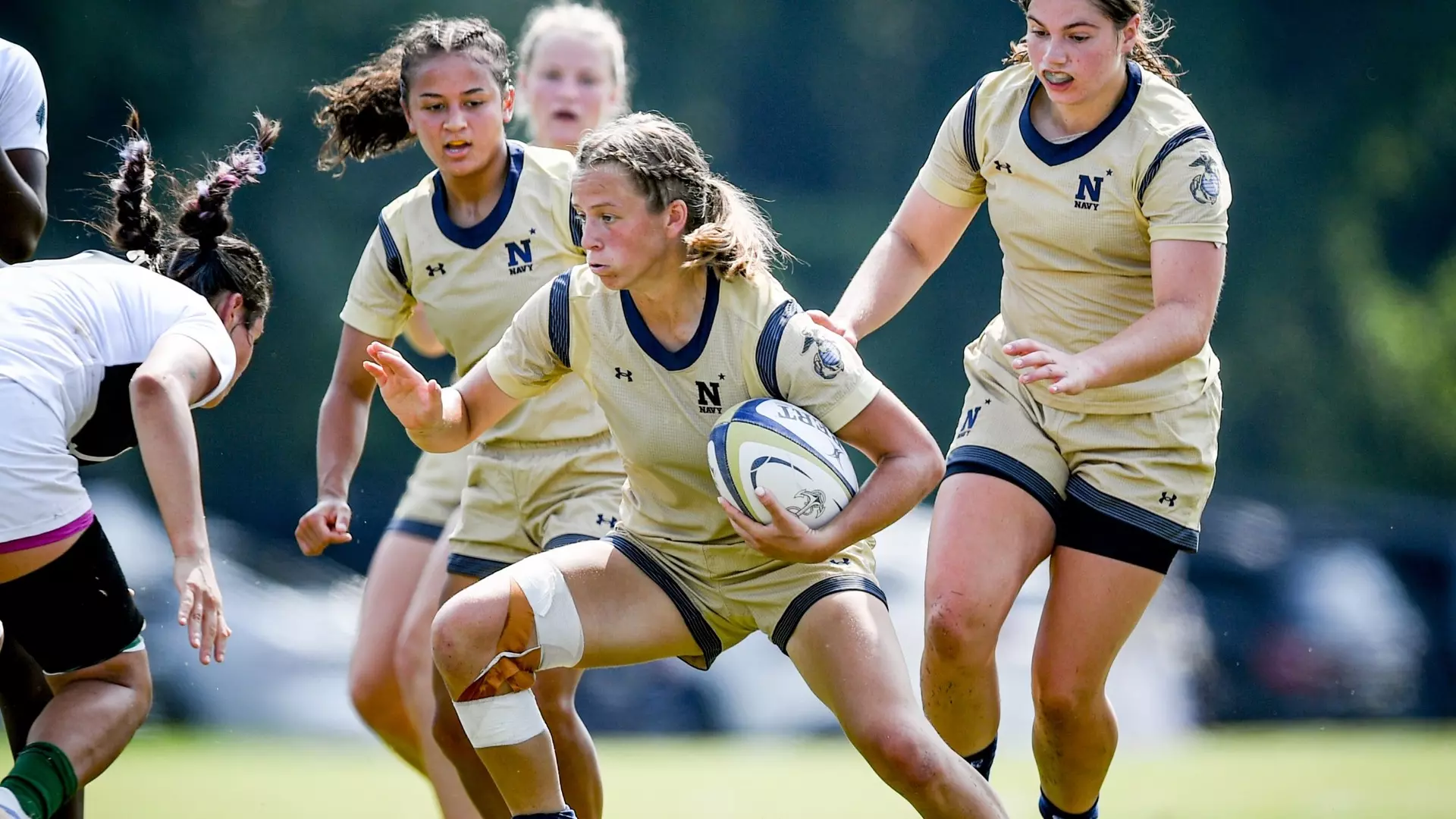

Naval Academy