



Elijah L

A New Perspective, On and Off the Field
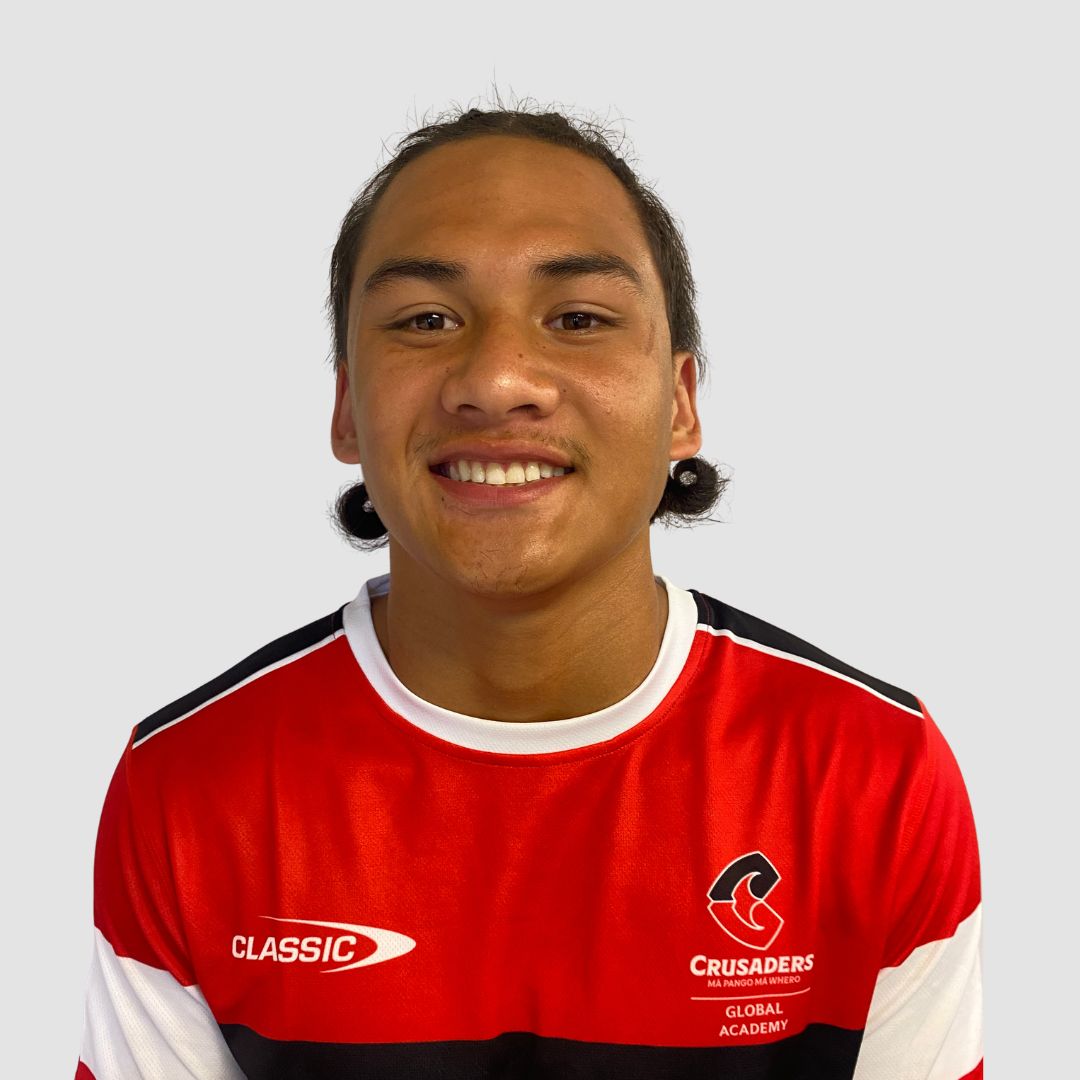
Elijah arrived at Rugby Park by way of Belmont Shore 7s and Long Beach State University, looking for the kind of professional rugby environment he couldn't yet find at home. He wanted exposure — to higher-level coaching, to players from other countries, and to a version of the game that would sharpen his edge rather than just add reps to his week. Coming in, he saw the residency as a chance to test himself against a global standard and bring something real back to his own program.
That exposure showed up everywhere at the Academy, not just on the training paddock. High-pressure 15-on-15 sessions put his skills and decision-making under a kind of stress he hadn't faced before, while the gym work and daily rhythm of living inside a high-performance environment revealed how much of the game happens away from matchday. Recovery protocols, nutrition, and the mental preparation behind the scenes became as much a part of his education as anything he did with a ball in hand.
Building the Complete Player
IQ Under Pressure
The turning point for Elijah's game came when the full squad came together for 15-on-15 sessions. Playing at that intensity forced him and his teammates to problem-solve on the move, and he credits those reps directly with raising his rugby IQ. It was paired with a realization he hadn't expected walking in: the physical side of high performance is something most players can push through, but it's the recovery, nutrition, and mental preparation behind the scenes that actually separates a high-performance environment from a normal training week.
Becoming the Player His Program Needs
Elijah describes the Crusaders environment as one that changes the person before it changes the player, and for him that shift was real — he came in more reserved and left far more connected to the people around him. That growth in confidence lines up with what he wants to bring home first: an elevated rugby IQ and a stronger work ethic, the two things he sees as most critical to growing the game in the US from the ground up. Alongside that mindset shift, the residency gave him focused time to rebuild his kicking game and lock in the micro-skills — passing, catching, staying square — that he now treats as the base he can always fall back on.
Connection as the Foundation
Looking ahead, Elijah is most excited to apply what he learned about pod play — specifically the relationship between forwards and backs that keeps a team's execution and flow working as one system. He believes this experience will shape his career by giving him something concrete to hand down: skills he can teach his teammates and the next generation coming up behind him. When asked to sum up the residency in one sentence, his answer was immediate — connection. Connecting on the field and off it, he says, is what turns a training program into lifelong friendships and a genuinely changed outlook on life.
Check Out More

.png)
Sean T
.png)
Sean T
Meagan W
.png)
Meagan W

Matthew B
.png)
Matthew B

Richard A
.png)
Richard A
Moos K
Moos K

Zach M.
Zach M.

Tom M.
.jpg)
Tom M.
.png)
Seren C.
.jpg)
Seren C.
Ruben B.
.jpg)
Ruben B.

Declan D.
.jpg)
Declan D.

Jack S.
Jack S.


Thomas More University
Thomas More University

Miami University
Miami University


Stanford University
Stanford University
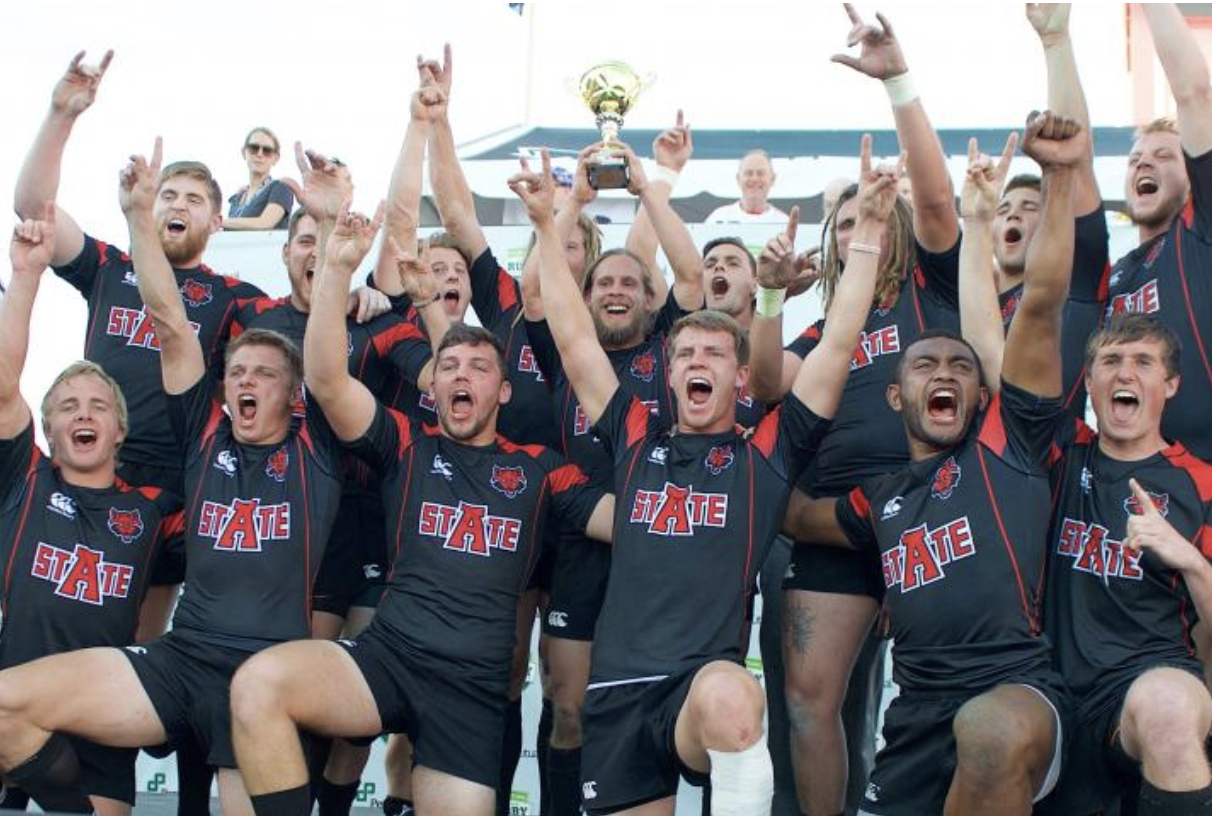

Arkansas State University
Arkansas State University

Luke J.

Luke J.
Jordan T.
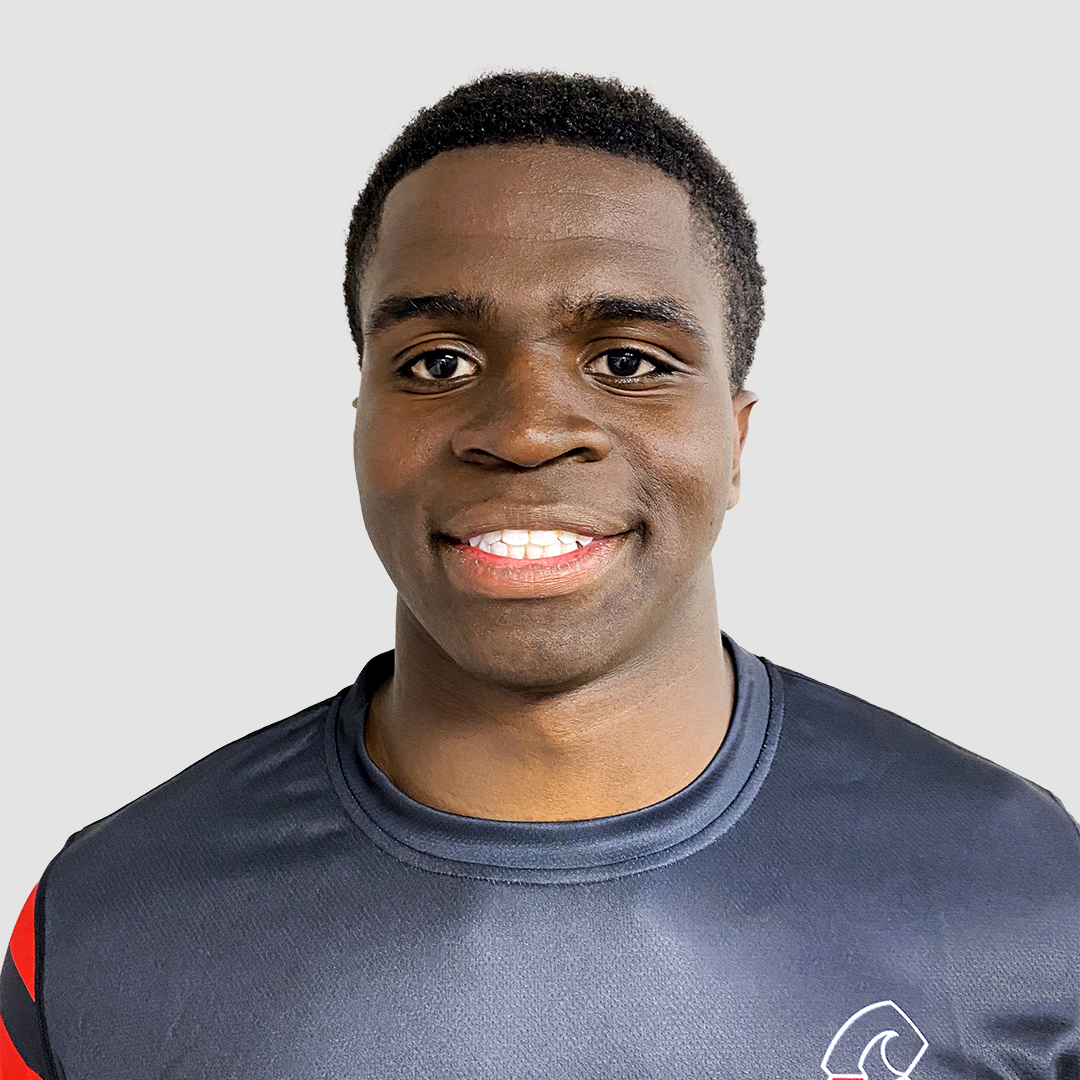
Jordan T.

Oli J.
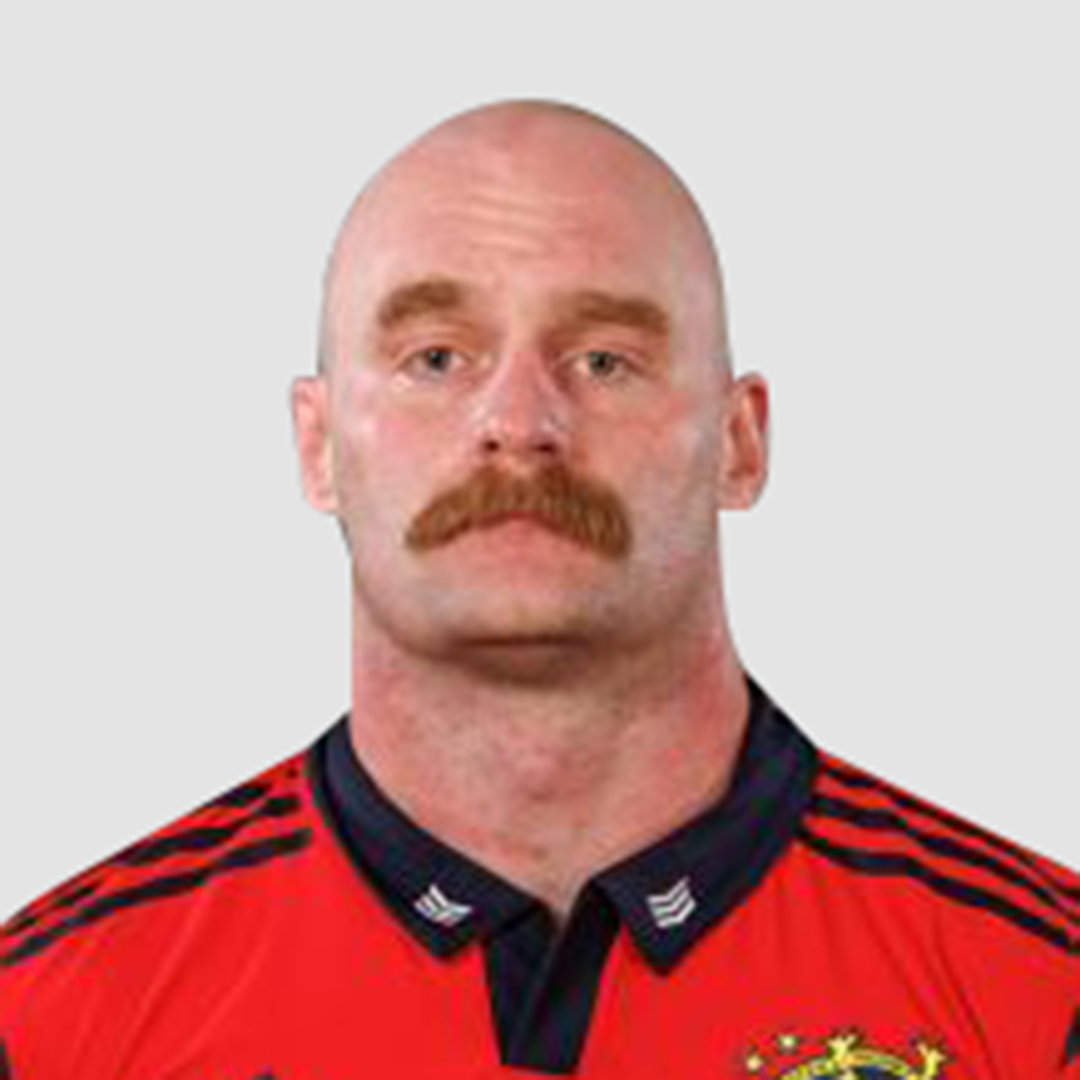
Oli J.
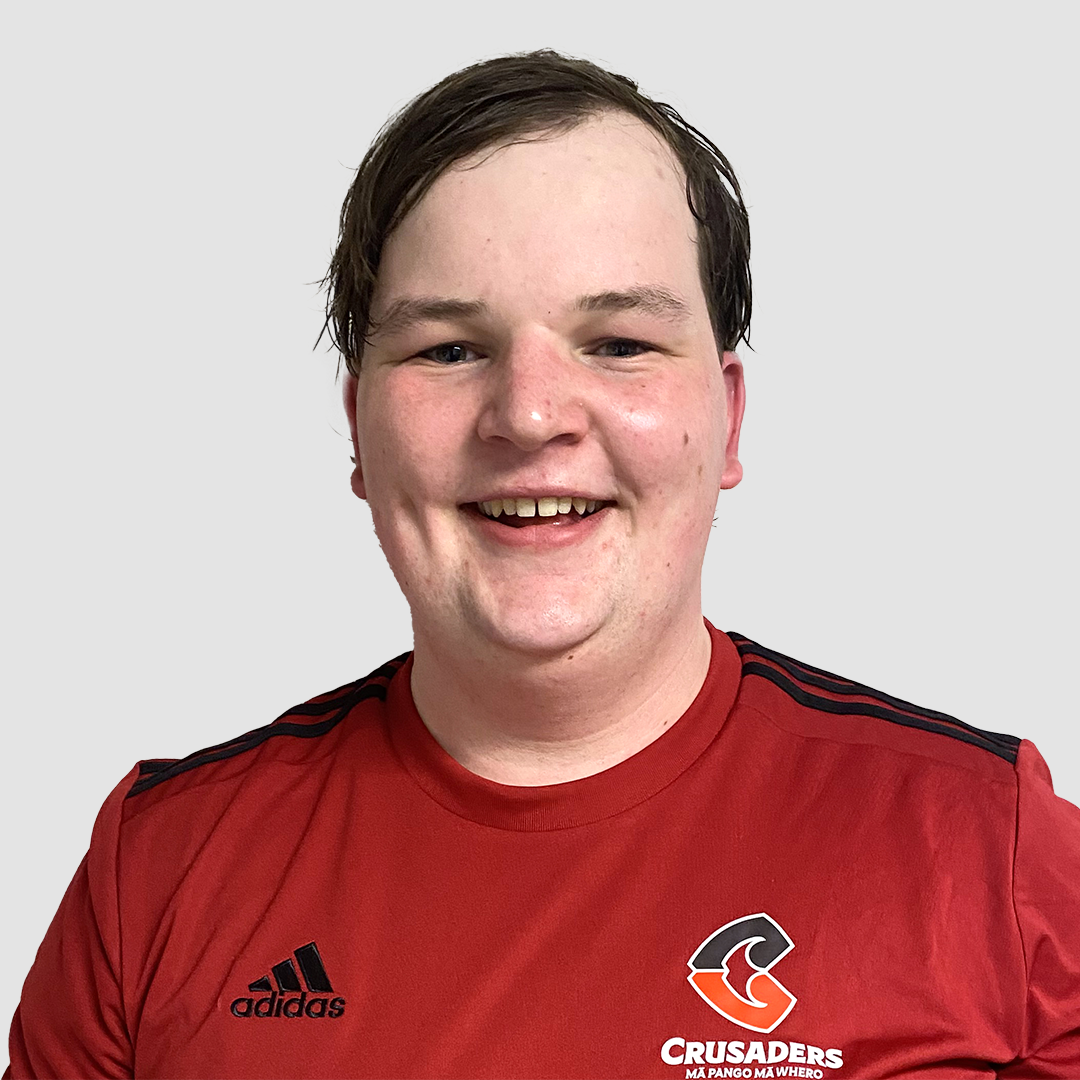

Henry W.
Henry W.

Tinaye N.
Tinaye N.
Eamonn L.
Eamonn L.

Chad H.
Chad H.

Mahie W.
Mahie W.

Sydney D.

Sydney D.

Huntley M.
Huntley M.

Tyler D.
Tyler D.
.png)
Virginia Commonwealth University
Virginia Commonwealth University

Chiang Mai Rugby Club
Chiang Mai Rugby Club


Seattle Rugby Club
Seattle Rugby Club
.png)
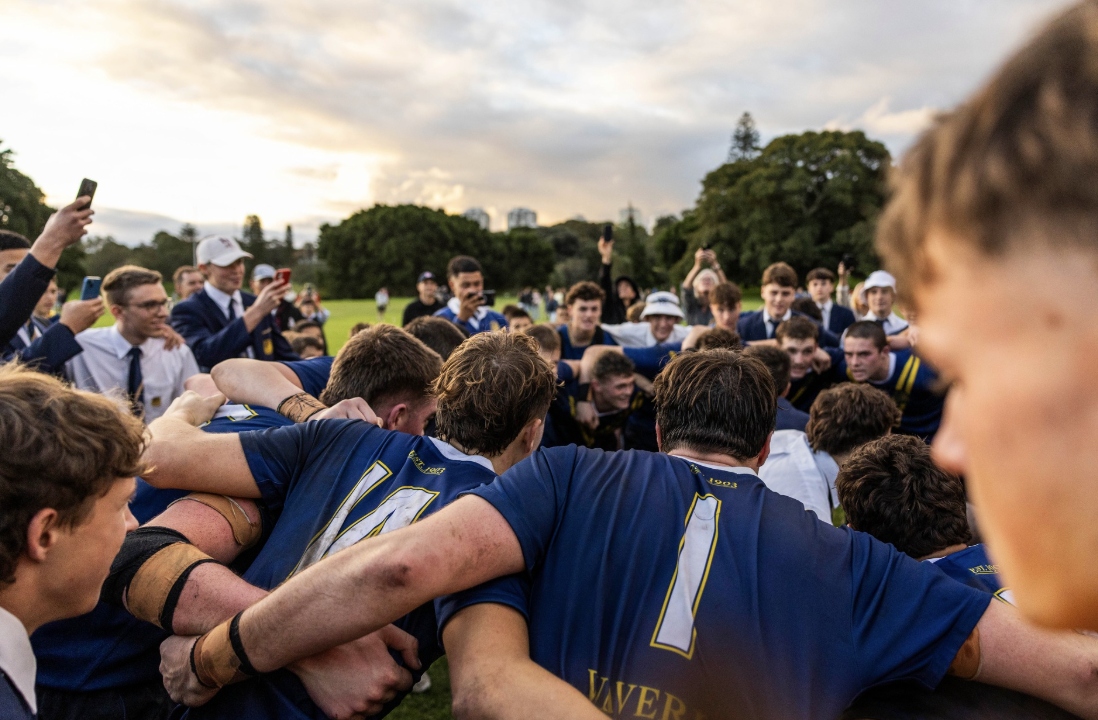
Waverley College
Waverley College
%201.png)
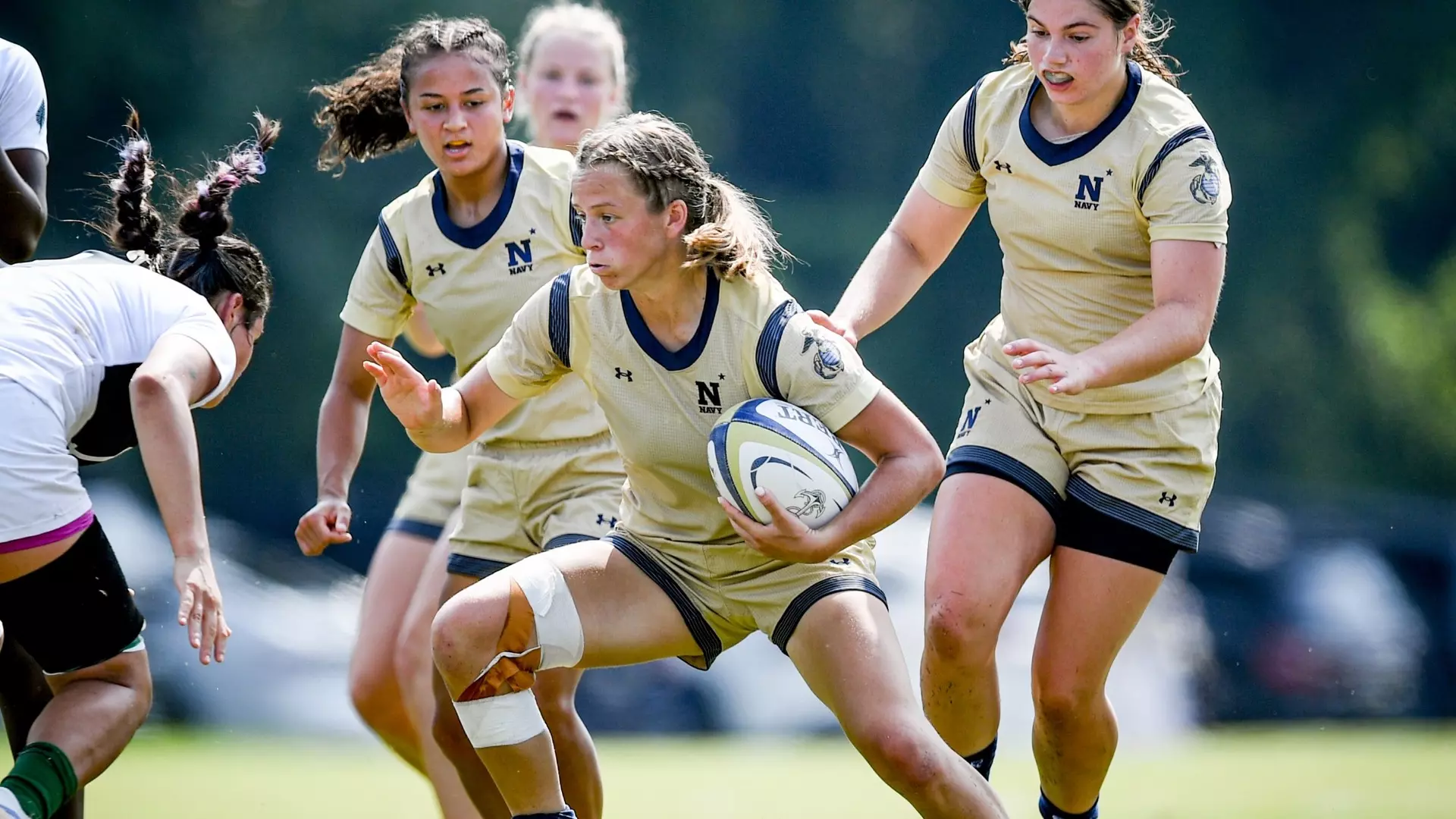
Naval Academy